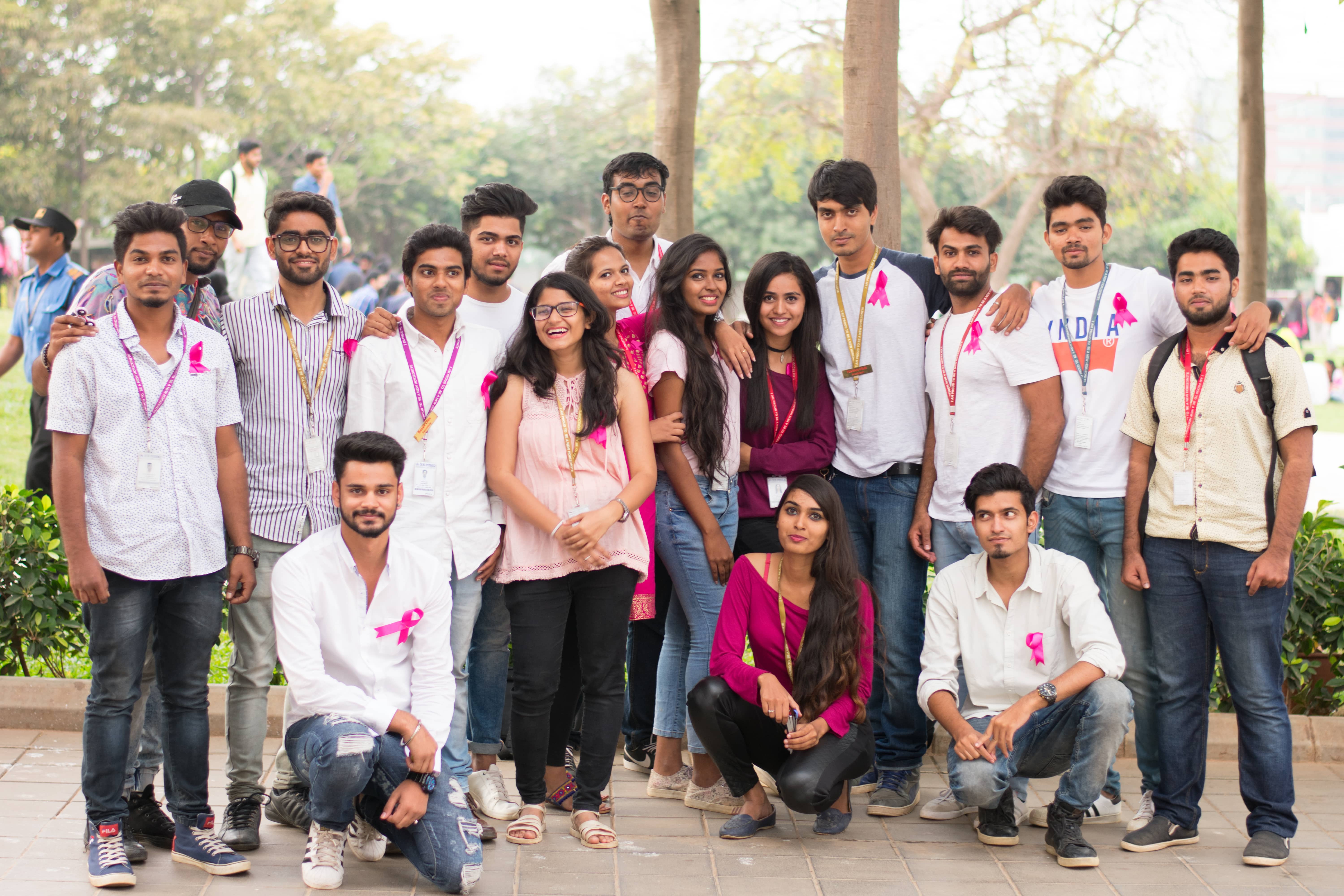
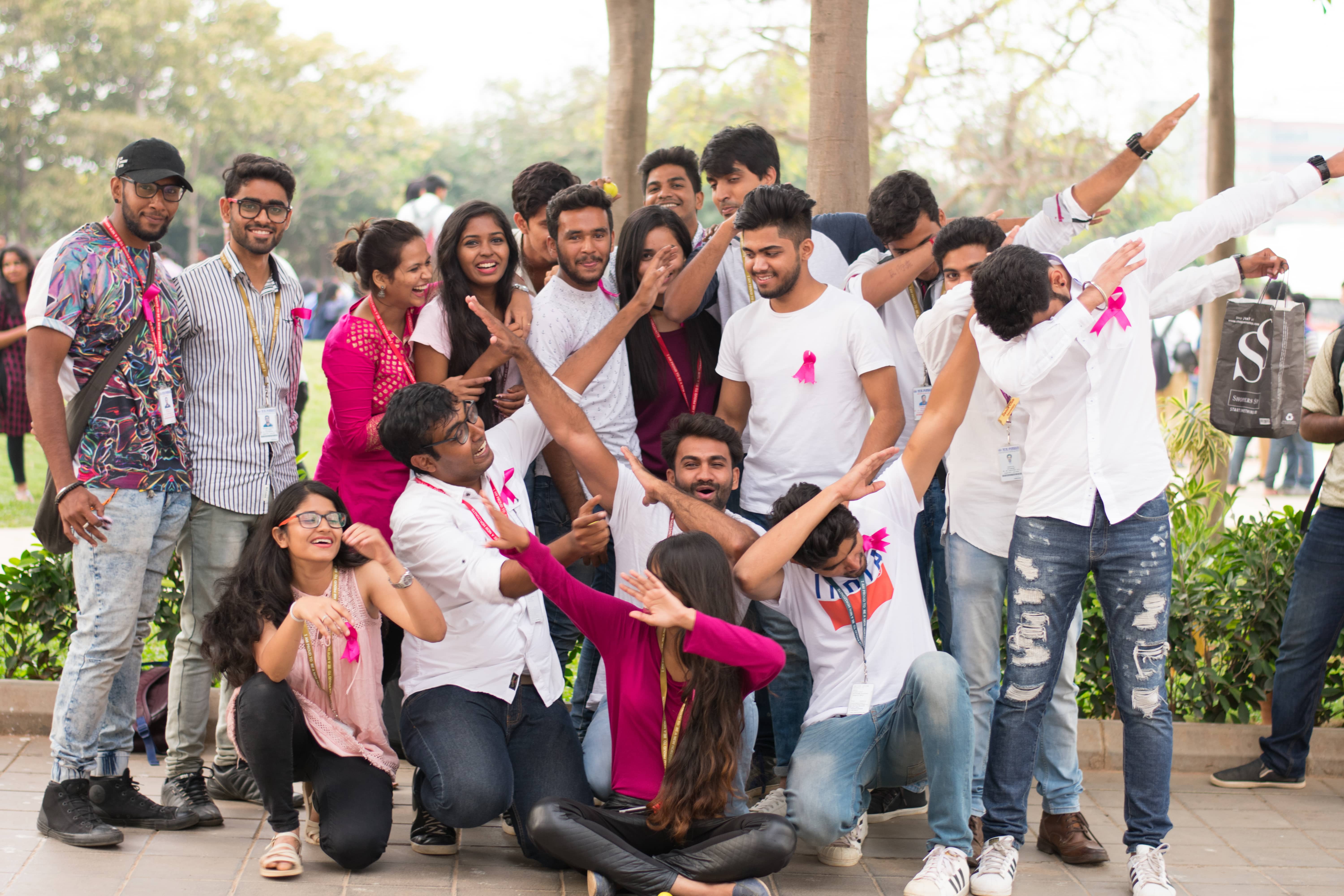
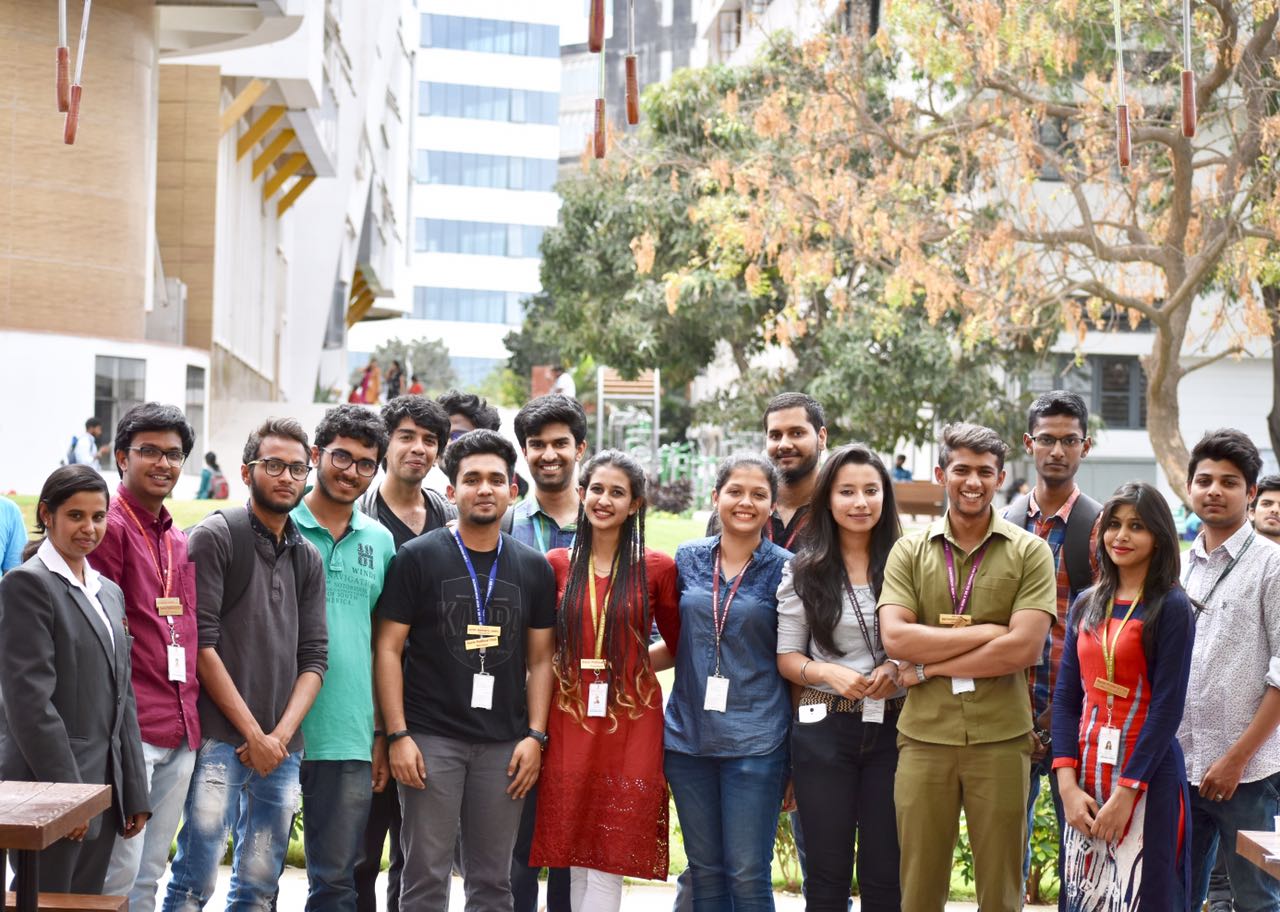
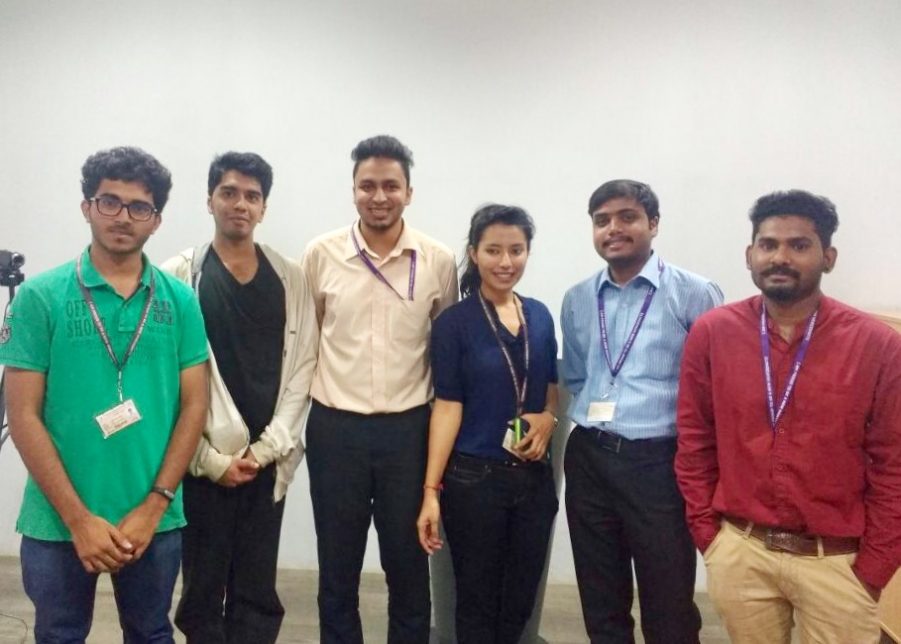
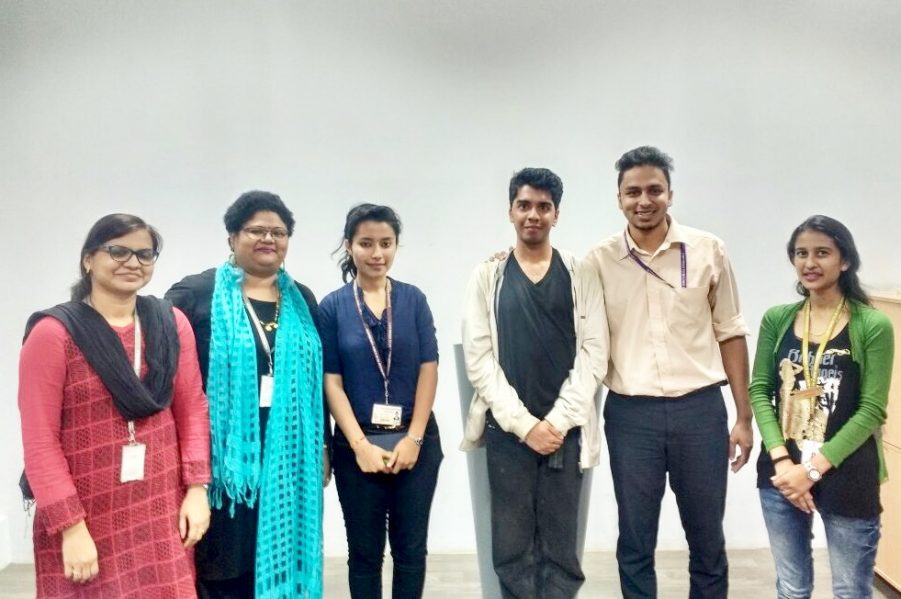
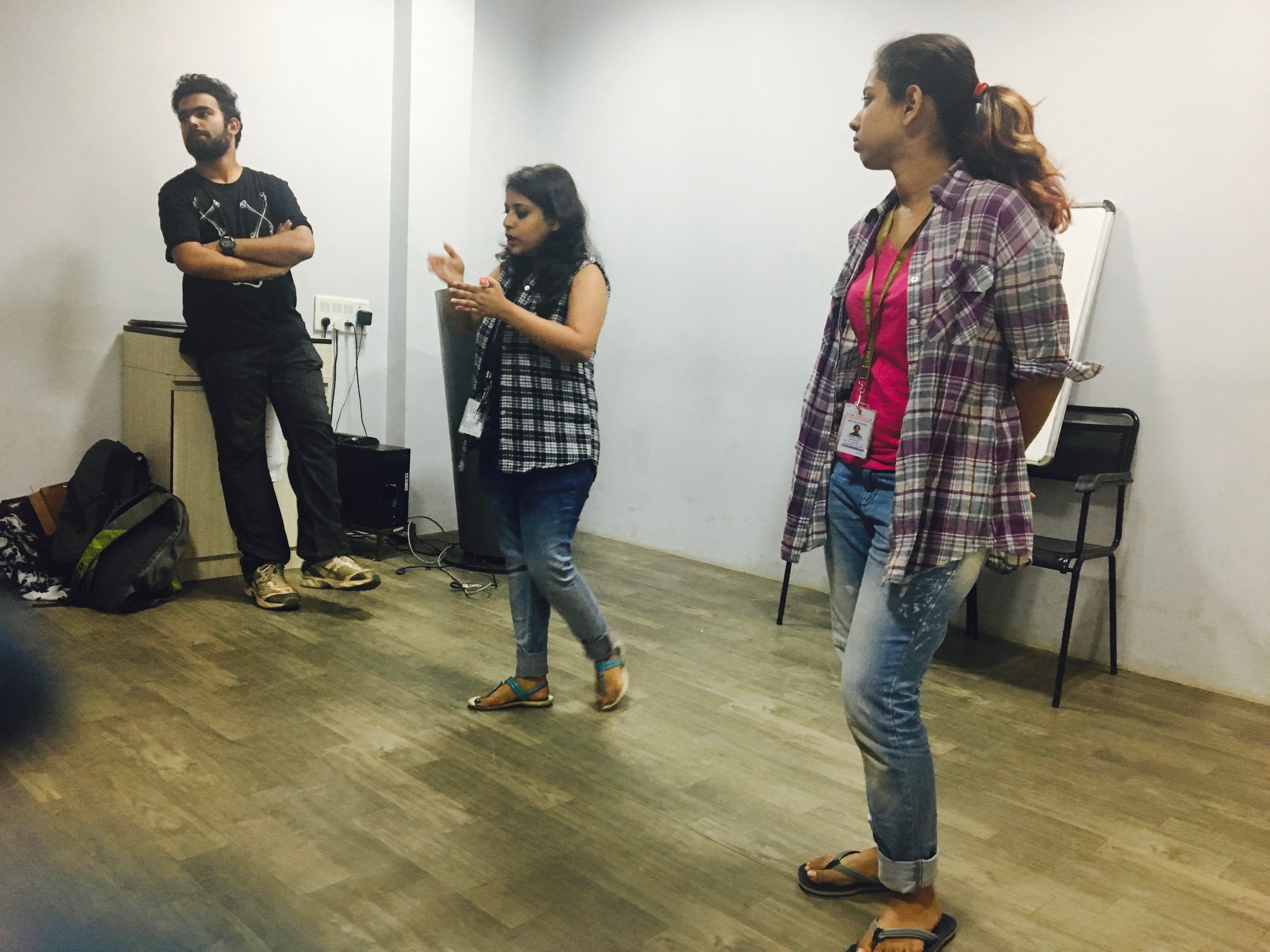
Pink day was dedicated to spread Breast cancer awareness in our college campus. The pink ribbon is the most prominent symbol of breast cancer awareness, and in many countries the month of October is National Breast Cancer Awareness Month.
Breast cancer culture, sometimes called pink ribbon culture, is the cultural outgrowth of breast cancer advocacy, the social movement that supports it, and the larger women’s health movement.
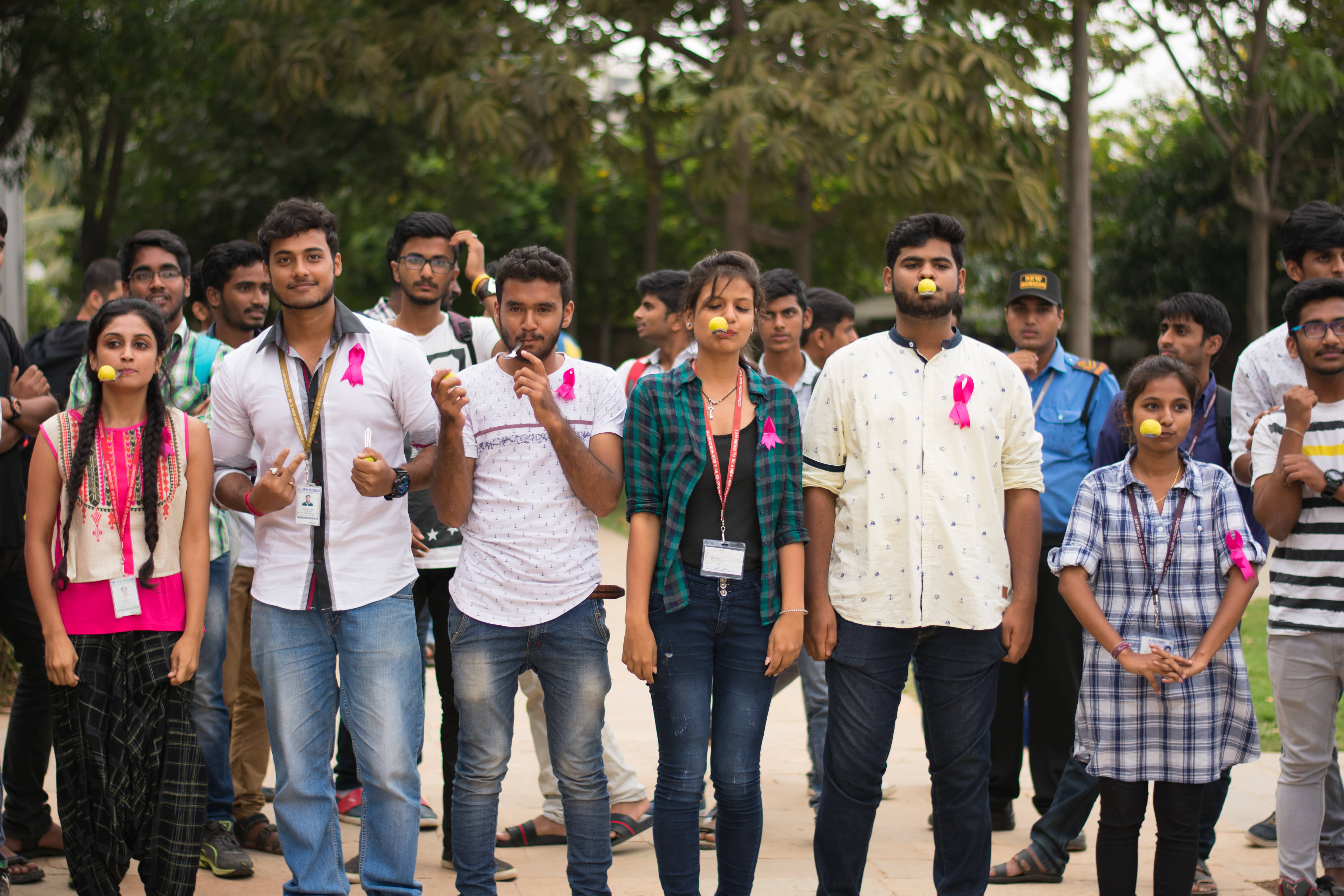
We conducted a few games to increase and enhance the funds. We had 9 rounds of lemon and spoon and we shortlisted 16 participants. The final round was musical chairs. The winners were Ekta Shukla and Ishita Nilesh Joshi.
We gave cash price of ₹500 for first, ₹250 for first runner up.
The event was a big hit and the funds raised will be donated for a noble cause.
Pink day was dedicated to spread Breast cancer awareness in our college campus. The pink ribbon is the most prominent symbol of breast cancer awareness, and in many countries the month of October is National Breast Cancer Awareness Month.
Breast cancer culture, sometimes called pink ribbon culture, is the cultural outgrowth of breast cancer advocacy, the social movement that supports it, and the larger women’s health movement.
We conducted a few games to increase and enhance the funds. We had 9 rounds of lemon and spoon and we shortlisted 16 participants. The final round was musical chairs. The winner was Zubair from third year. First runner up was Swapnil Konar and second runner up was Bikkina Harshitha from CSE dept.
We gave cash price of ₹400 for first, ₹200 for first runner up and ₹100 for second runner up.
The event was a big hit and the funds raised will be donated for a noble cause.
Chai pe Charcha is an ingenious and unconventional technique, a departure from old school style campaigning, and discussing the current affairs nationally & globally.
”If you can speak, you can influence. If you can influence, you can change lives.”
Here’s a chance to let out the speaker in you. Socio Political Club is hosting ”Chai Pe Charcha” providing opportunity for the students to participate in group discussion regarding the trending national and international issues over a cup of Chai.
Interested speakers are wholeheartedly welcome.
Date : 02-03-2017
Time : 11:00 am
Venue : Umbrella Place near Udupi Upahar.
Ab New Horizon Chai Pe Chalega !
Debates are usually considered, by the masses, to be for the Intellectuals, the First Benchers, the ones who write down all the notes in class. But when we conducted our debate, we were surprised and ecstatic that people from all walks of life came forward and presented their own unique views.
We presented them with controversial topics, expecting one sided answers, but our contestants presented their own innovative views and arguments. It was a great event where each person learnt that their own perception on a topic may not be the only perception, or the only right answer.
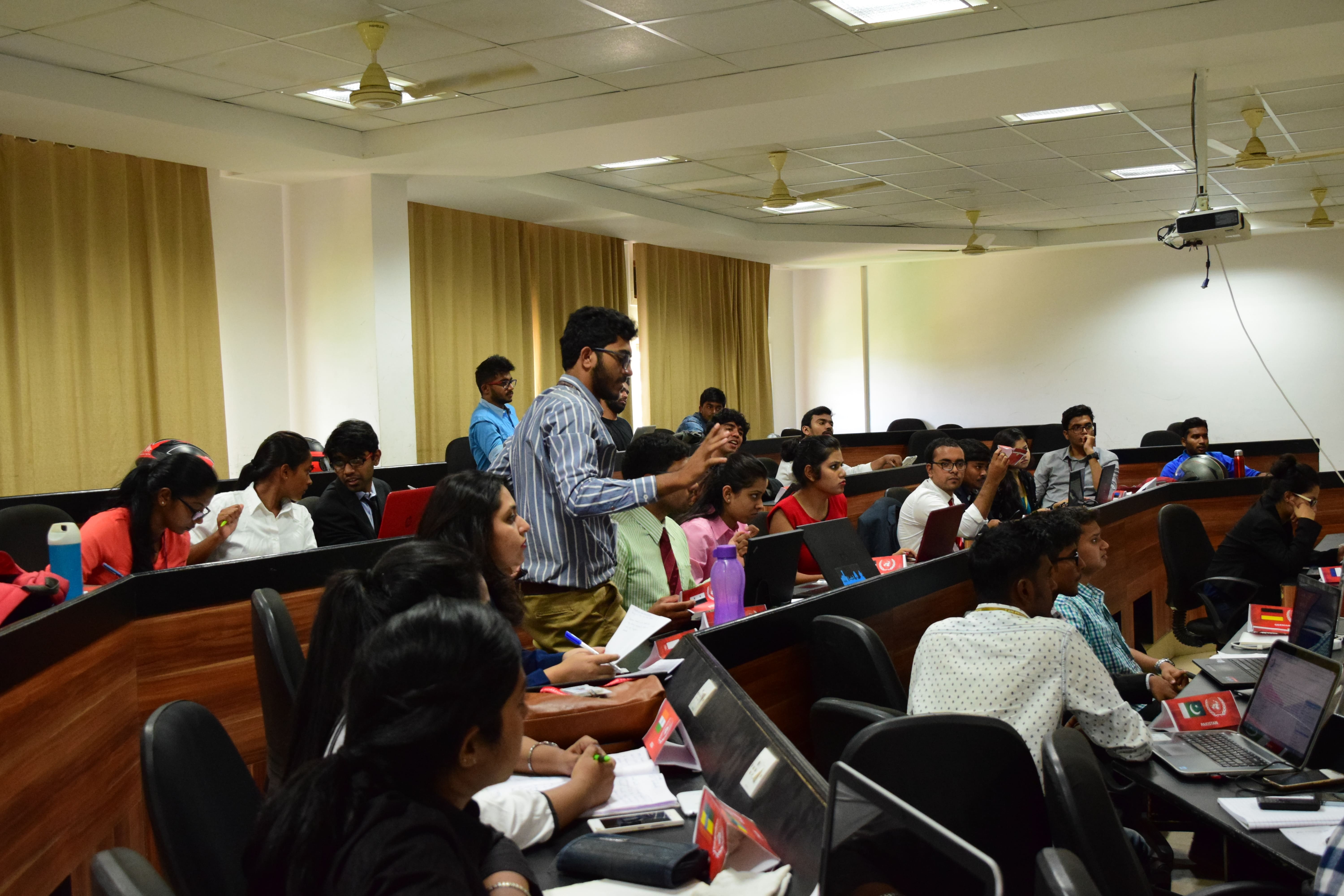
MUN abbreviated as Model United Nations is an event in which every participant is treated as a delegate from a country. We organized this event collaborating with the Lit club. We had conducted meetings in audiovisual room, prior for better understanding of the upcoming session.
The country is allotted to the students 24-48 hrs. prior to the event, for detailed research on the foreign policies and economic conditions of their country. And also research about the other countries, which they think is necessary like competitors or alleys.
MUN was conducted in the MBA seminar hall in the college. It had participants from all the departments of the college. It was conducted on 27th and 28th of march (Monday and Tuesday) from 10am to 3 pm. There were formal sessions and informal sessions. During this there were many topics, which were discussed which were an international concern.
Bomb blasts in Syria and involvement of ISIS were the prime concerns on day 1 and various other topics were discussed in day 2. Delegate from Greece was given suggestions on being financially independent and stable.
The chair consisted of two delegates from the engineering stream and two delegates from the management stream. The delegates weren’t allowed to discuss directly with each other to maintain decorum in the room.
From this event the participants got to know about the international issues, which were getting ignored, and they learnt how the United Nations organization works. They also got a platform to showcase their speaking capabilities and decision-making skills. It also inculcated courage among the students.
There were 27 participating countries and there were a separate set of students who were the logistics. The main work of the logistics was to help the delegates communicate with each other and with the chair in a secretive manner. We had 2 chairpersons and 2 media personals, for bombarding with random situations to the delegates.
Breaks were provided in between as the event was a long one and an entertainment motion was passed at the end of each day so as to help the delegated depressurize them.
On a whole, it was a successful event as it prepared the students of today to be the citizens of the world for tomorrow.
How Betzella Investigates UK Gambling Market Competition Dynamics
The UK gambling market represents one of the most sophisticated and regulated gaming environments globally, with annual revenues exceeding £14 billion and serving over 30 million active participants. Understanding the competitive dynamics within this sector requires comprehensive analysis of market forces, regulatory influences, consumer behavior patterns, and technological innovations that shape industry evolution. Modern analytical approaches combine traditional market research methodologies with advanced data analytics to decode the complex relationships between operators, regulators, and consumers that define competitive positioning.
Market Structure and Competitive Landscape Analysis
The UK gambling market operates under a sophisticated tiered structure dominated by several major operators while maintaining space for emerging competitors. Historical analysis reveals that market consolidation accelerated following the 2005 Gambling Act, which liberalized online gambling and created opportunities for international operators to establish UK operations. Today’s competitive landscape features established giants like Flutter Entertainment, Entain, and William Hill alongside numerous specialized operators targeting specific market segments.
Competition dynamics are heavily influenced by the UK Gambling Commission’s regulatory framework, which creates both barriers to entry and standardized operational requirements. The licensing system establishes minimum standards for consumer protection, responsible gambling measures, and financial stability, effectively creating a competitive moat around established operators while ensuring new entrants meet stringent requirements. This regulatory structure has resulted in approximately 200 active gambling licenses across various categories, from casino operations to betting exchanges.
Market share distribution reveals interesting competitive patterns. Sports betting commands roughly 40% of total market revenue, followed by online casino games at 35%, and lottery products at 15%. The remaining 10% encompasses poker, bingo, and other specialized gaming products. Within each segment, competition intensity varies significantly, with sports betting showing the highest level of promotional activity and customer acquisition costs.
Geographic analysis indicates that competition concentrates heavily in urban areas, particularly London and major metropolitan centers, where both online and retail gambling operations compete for market share. Rural markets often exhibit less competitive intensity, creating opportunities for targeted marketing strategies and localized service offerings.
Analytical Methodologies and Data Intelligence
Contemporary market analysis employs sophisticated methodologies combining quantitative data analysis with qualitative market intelligence. Revenue tracking across different operator categories provides insights into competitive positioning and market share evolution. Platforms like https://betzella.com/ demonstrate how modern operators integrate comprehensive market analysis with operational decision-making to maintain competitive advantages in rapidly evolving market conditions.
Consumer behavior analysis forms a critical component of competitive intelligence, utilizing transaction data, engagement metrics, and demographic profiling to understand market segmentation. Advanced analytics reveal that UK gambling consumers exhibit distinct preference patterns based on age demographics, with younger consumers favoring mobile-first gaming experiences while older demographics maintain stronger preferences for traditional betting formats.
Pricing analysis represents another crucial analytical dimension, examining odds compilation, promotional offers, and loyalty program structures across different operators. This analysis reveals that competitive pricing strategies vary significantly between market segments, with sports betting showing razor-thin margins and intense promotional competition, while casino games maintain higher operator margins but face competition through game variety and user experience quality.
Technology adoption patterns provide additional competitive insights, showing how operators leverage artificial intelligence, machine learning, and predictive analytics to enhance customer acquisition and retention. The integration of live streaming, in-play betting, and mobile optimization has become essential for maintaining competitive positioning, with operators investing heavily in technological infrastructure to support these capabilities.
Regulatory compliance analysis examines how different operators approach responsible gambling requirements, consumer protection measures, and reporting obligations. This analysis reveals that compliance strategies often become competitive differentiators, with operators that exceed minimum requirements often achieving better regulatory relationships and reduced scrutiny.
Consumer Behavior Patterns and Market Trends
Understanding consumer behavior patterns provides crucial insights into competitive dynamics and future market evolution. Research indicates that UK gambling consumers demonstrate sophisticated decision-making processes, comparing odds, promotions, and user experiences across multiple operators before making betting decisions. This consumer sophistication drives intense competition around customer experience quality and value proposition differentiation.
Mobile usage patterns reveal dramatic shifts in consumer preferences, with mobile gambling now accounting for over 60% of total online gambling activity. This trend has forced operators to prioritize mobile app development and mobile-optimized websites, creating new competitive battlegrounds around user interface design, loading speeds, and feature functionality.
Demographic analysis shows distinct generational differences in gambling preferences and behaviors. Millennials and Generation Z consumers demonstrate higher preferences for gamified experiences, social features, and instant gratification, while older demographics prioritize traditional betting formats, customer service quality, and established brand reputation. These differences create opportunities for targeted competitive strategies and specialized market positioning.
Seasonal behavior patterns influence competitive strategies significantly, with major sporting events like the Premier League, Cheltenham Festival, and Grand National creating intense competition periods where operators deploy substantial marketing resources and promotional offers. Understanding these cyclical patterns enables more effective resource allocation and competitive positioning during peak demand periods.
Payment method preferences also drive competitive differentiation, with consumers increasingly demanding diverse payment options including e-wallets, cryptocurrency, and instant banking solutions. Operators that provide superior payment experiences often achieve competitive advantages through improved customer satisfaction and reduced transaction friction.
Regulatory Impact on Competition Dynamics
The regulatory environment profoundly shapes competitive dynamics within the UK gambling market. The Gambling Commission’s evolving regulatory approach, particularly regarding responsible gambling measures and consumer protection requirements, creates both challenges and opportunities for market participants. Recent regulatory changes, including stake limits on fixed-odds betting terminals and enhanced affordability checks, have fundamentally altered competitive strategies across different market segments.
Compliance costs represent significant competitive factors, with smaller operators often struggling to meet the same regulatory requirements as larger competitors. This creates natural consolidation pressures and competitive advantages for operators with greater resources and established compliance infrastructure. The implementation of new regulations often requires substantial technology investments, legal expertise, and operational modifications that favor larger, well-capitalized operators.
The upcoming gambling act review represents a major uncertainty factor affecting competitive positioning and strategic planning. Potential changes to advertising restrictions, online gambling regulations, and responsible gambling requirements could significantly alter competitive dynamics and market structure. Operators must balance current competitive strategies with preparation for potential regulatory changes that could reshape market conditions.
International regulatory developments also influence UK market competition, as many operators maintain global operations subject to varying regulatory requirements. Brexit implications continue affecting some aspects of market access and regulatory coordination, particularly for operators with significant European operations.
The UK gambling market’s competitive dynamics reflect a complex interplay of regulatory requirements, technological innovation, consumer preferences, and market structure evolution. Success in this environment requires comprehensive understanding of these interconnected factors and the analytical capabilities to translate market intelligence into effective competitive strategies. As the market continues evolving through regulatory changes and technological advancement, operators that maintain sophisticated analytical approaches while adapting to changing conditions will be best positioned for sustainable competitive success.

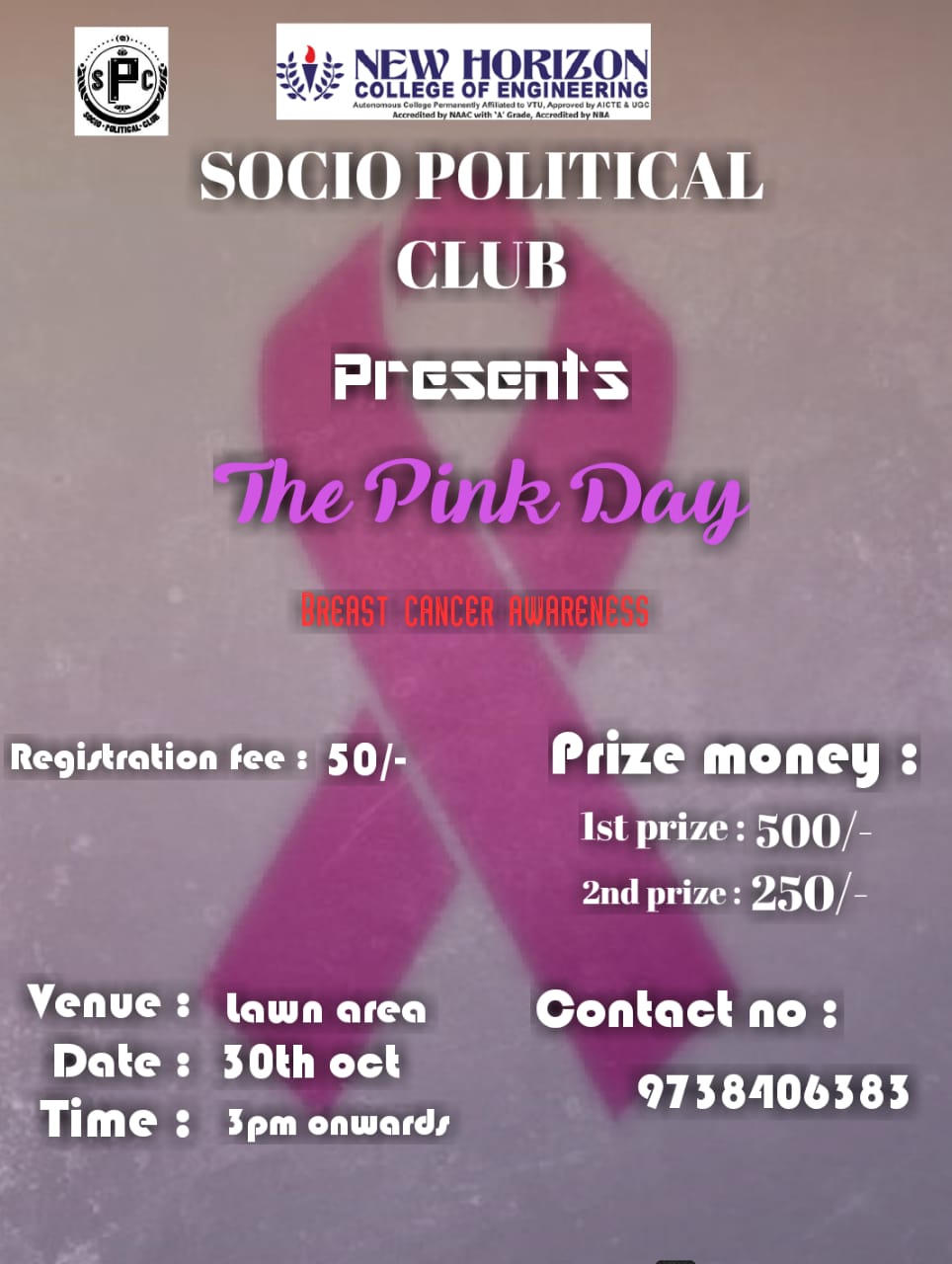
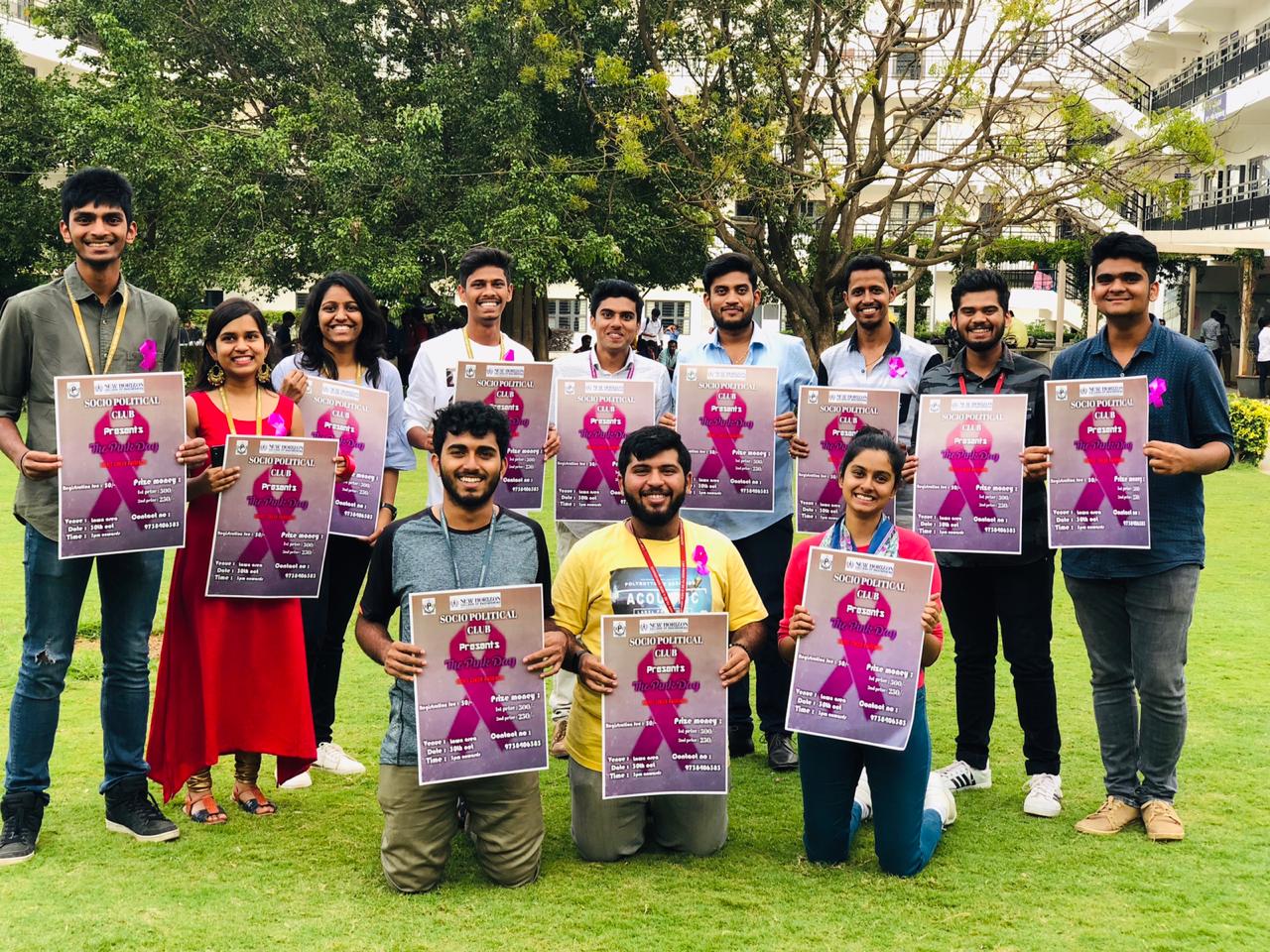
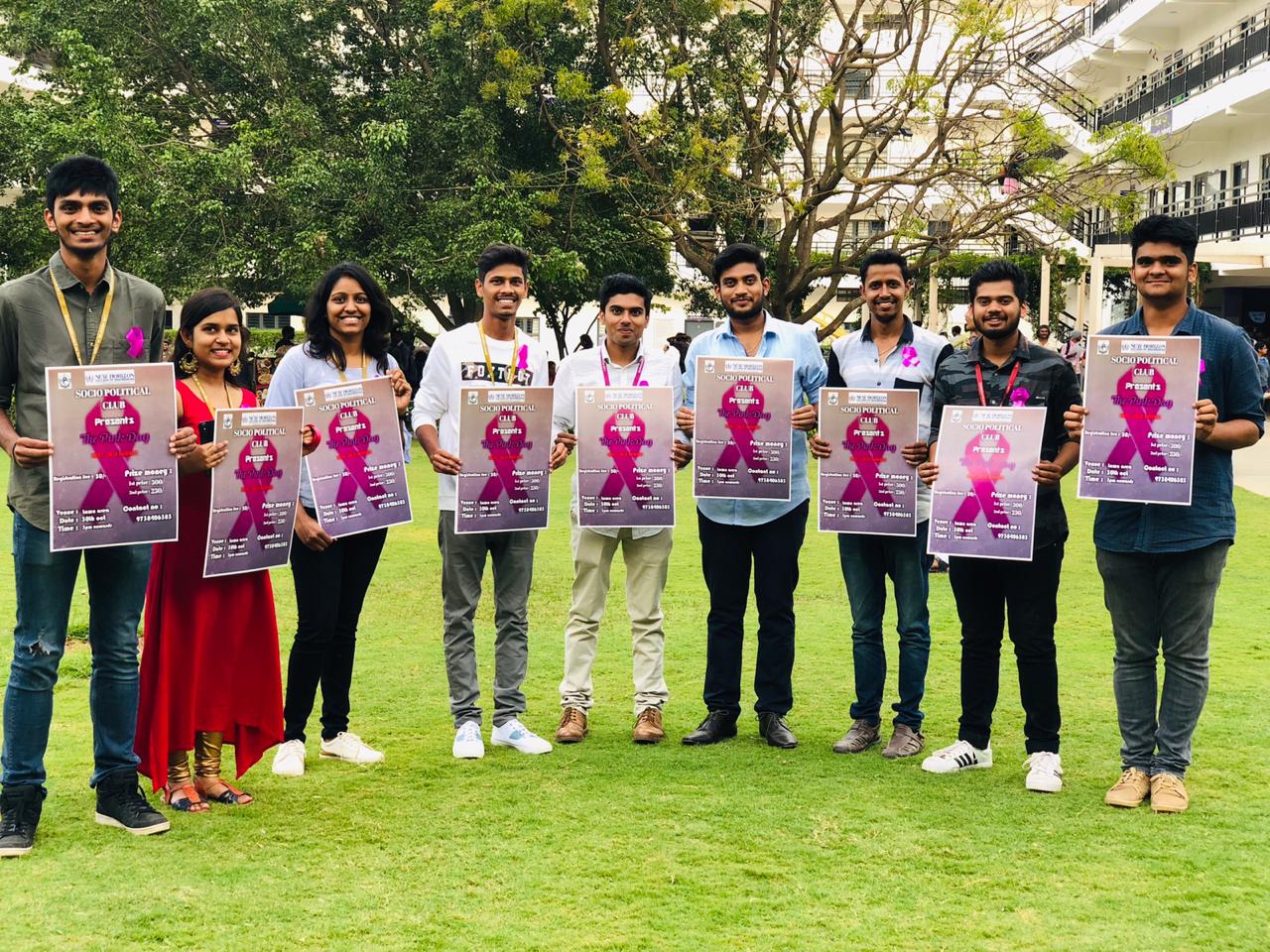 Pink day was dedicated to spread Breast cancer awareness in our college campus. The pink ribbon is the most prominent symbol of breast cancer awareness, and in many countries the month of October is National Breast Cancer Awareness Month.
Breast cancer culture, sometimes called pink ribbon culture, is the cultural outgrowth of breast cancer advocacy, the social movement that supports it, and the larger women’s health movement.
We conducted a few games to increase and enhance the funds. We had 9 rounds of lemon and spoon and we shortlisted 16 participants. The final round was musical chairs. The winners were Ekta Shukla and Ishita Nilesh Joshi.
We gave cash price of ₹500 for first, ₹250 for first runner up.
The event was a big hit and the funds raised will be donated for a noble cause.
Pink day was dedicated to spread Breast cancer awareness in our college campus. The pink ribbon is the most prominent symbol of breast cancer awareness, and in many countries the month of October is National Breast Cancer Awareness Month.
Breast cancer culture, sometimes called pink ribbon culture, is the cultural outgrowth of breast cancer advocacy, the social movement that supports it, and the larger women’s health movement.
We conducted a few games to increase and enhance the funds. We had 9 rounds of lemon and spoon and we shortlisted 16 participants. The final round was musical chairs. The winners were Ekta Shukla and Ishita Nilesh Joshi.
We gave cash price of ₹500 for first, ₹250 for first runner up.
The event was a big hit and the funds raised will be donated for a noble cause.