
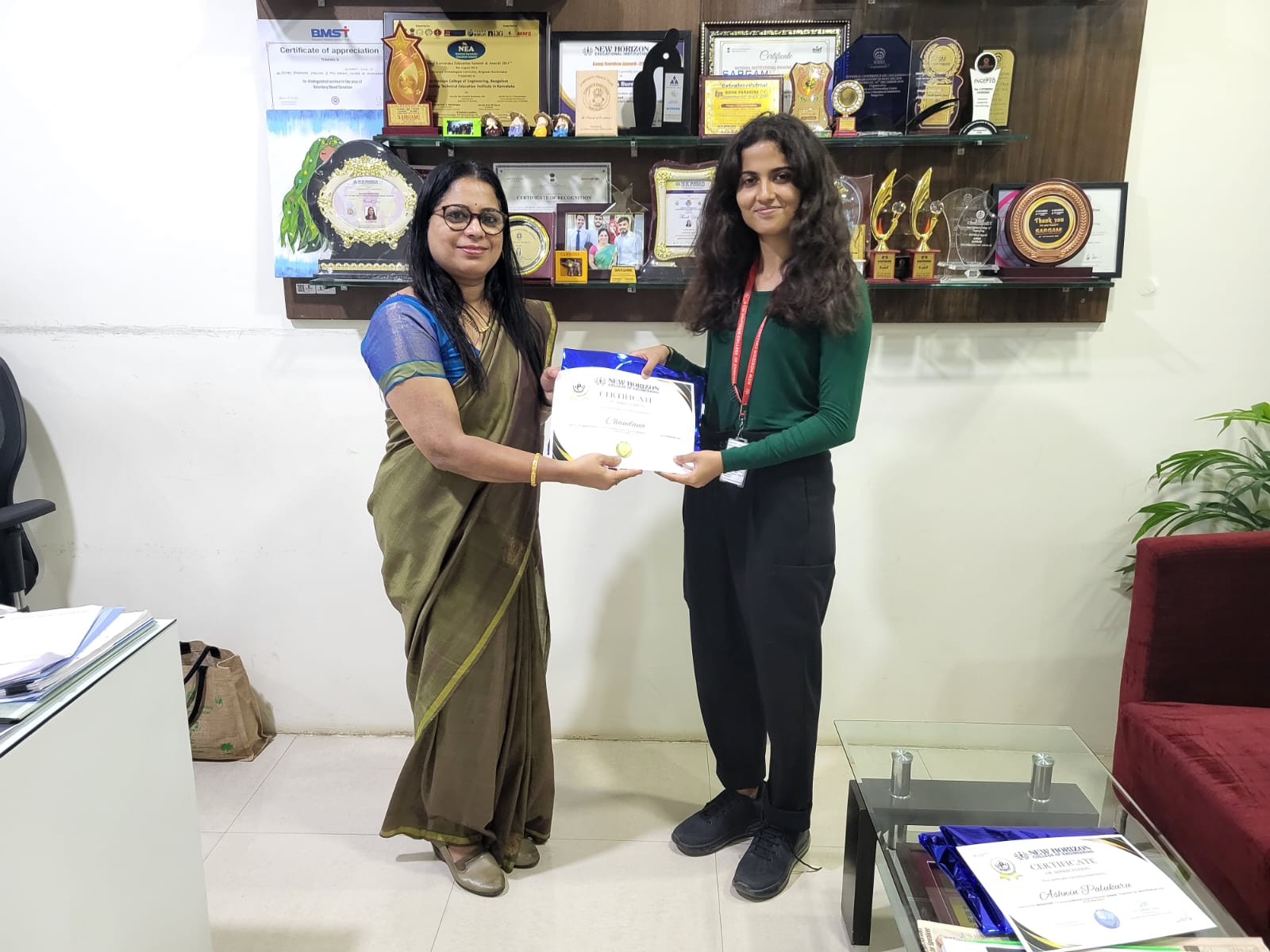
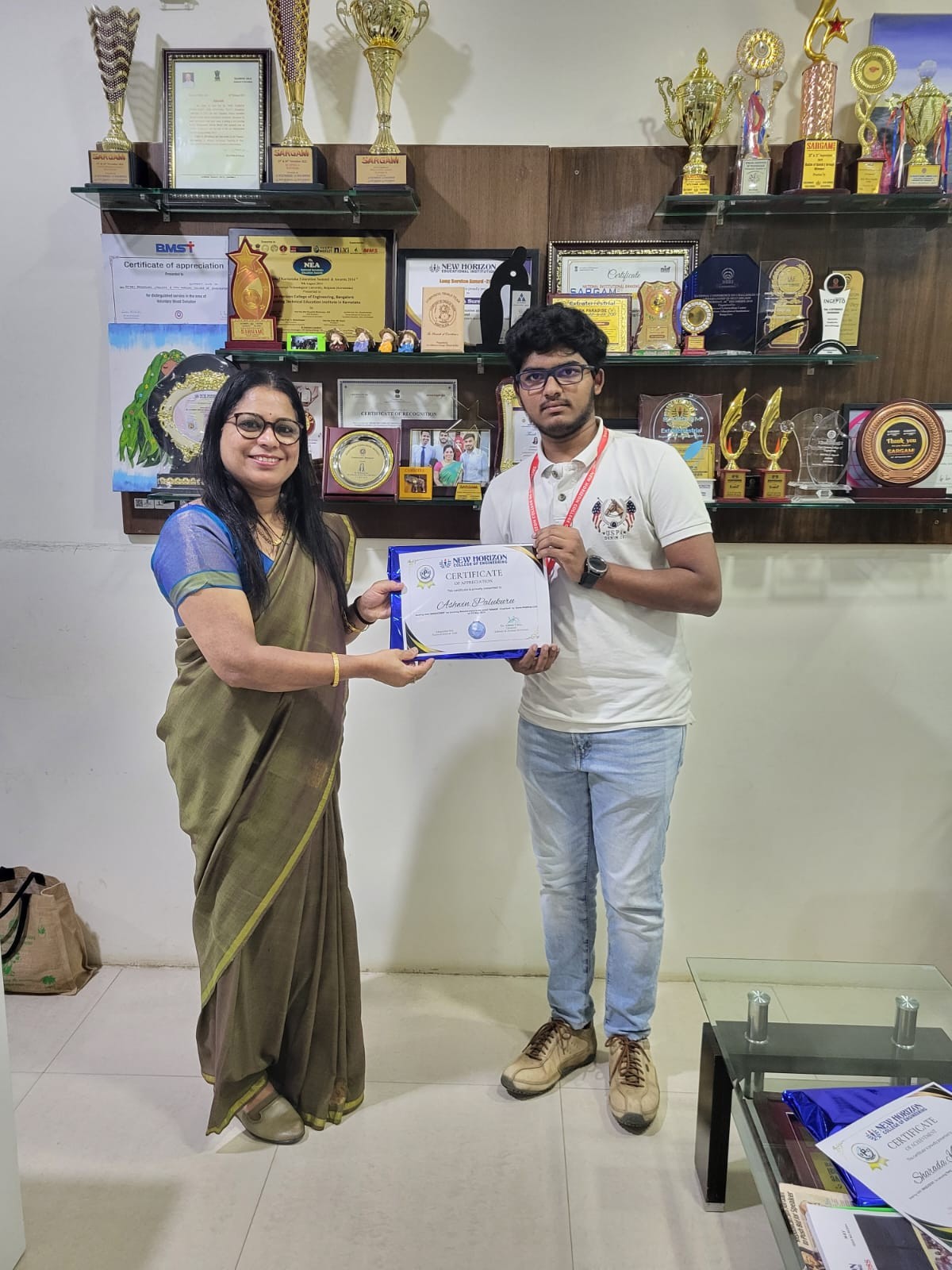
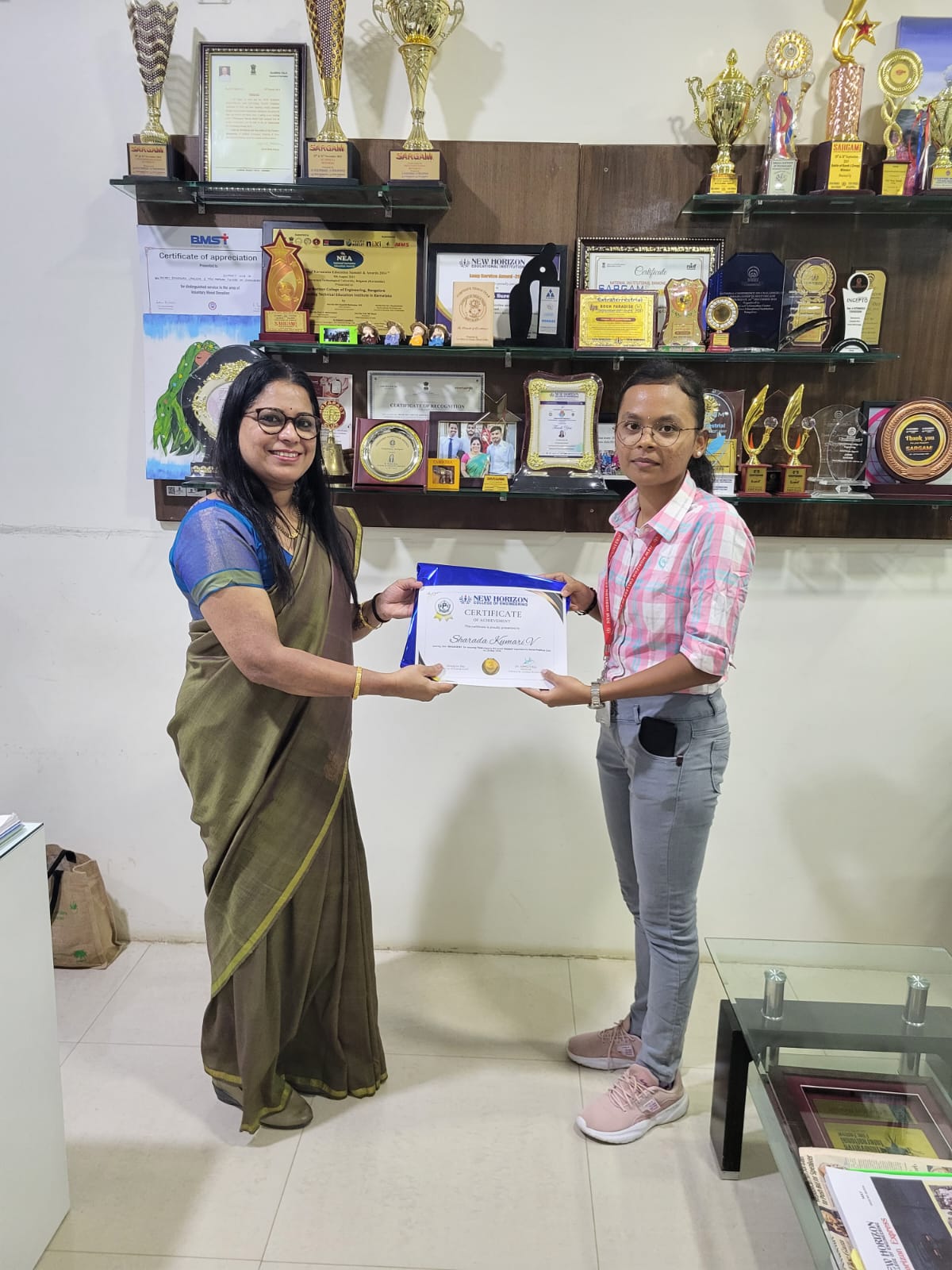
9 October 2025
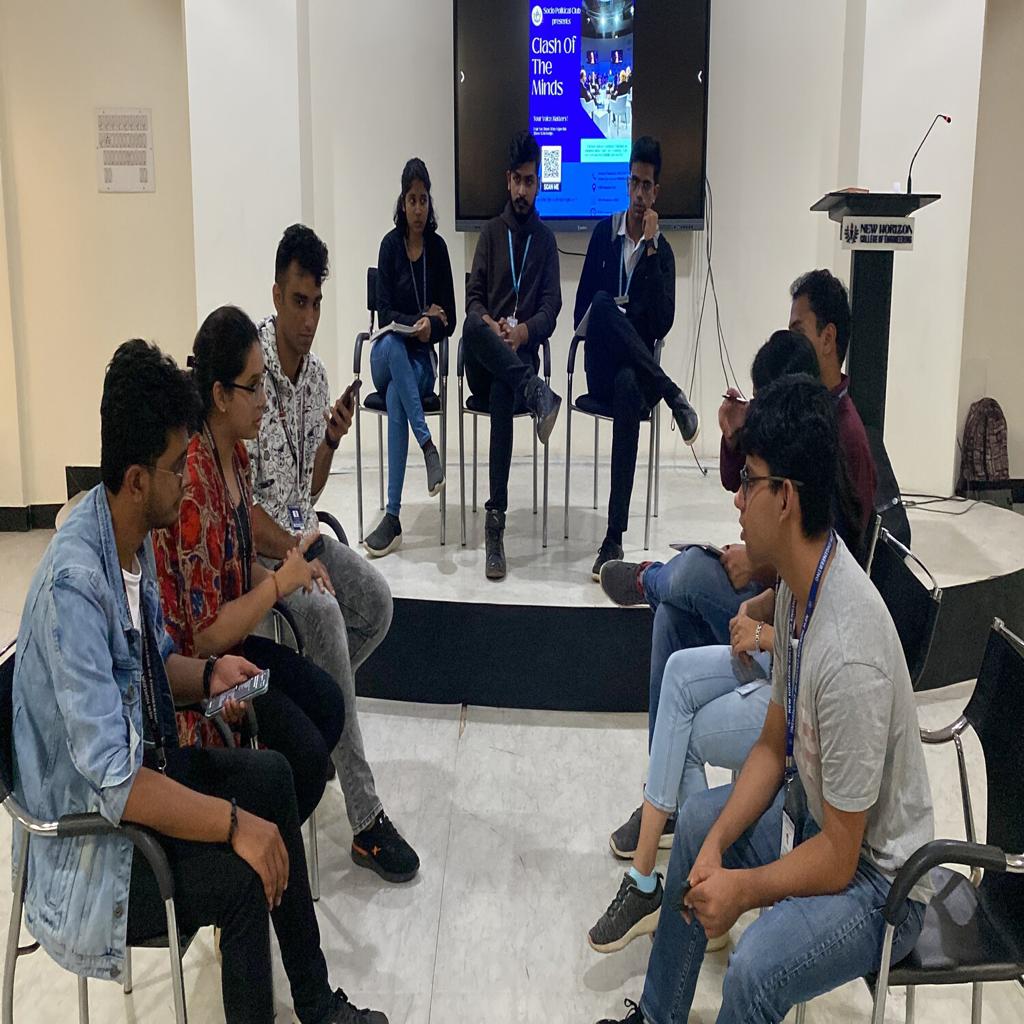
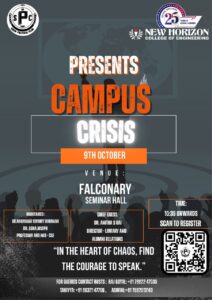
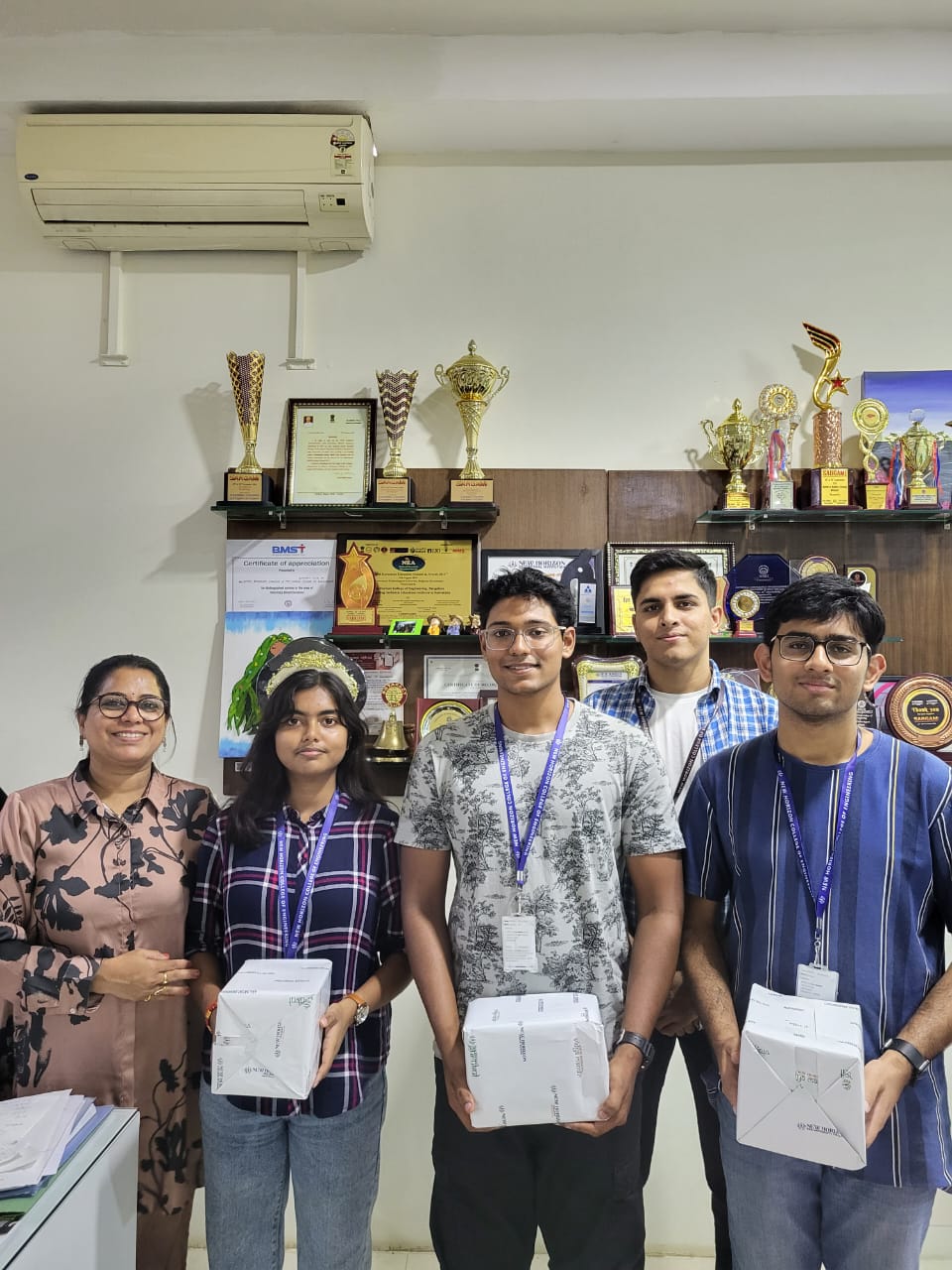
The Socio-Poli cal Club team assembled at 9:00 AM for the grand event Campus Crisis 2025. Despite a few initial hurdles — including the Falconry Seminar Hall not being opened on me and delays in receiving logis cs — the team
handled the situa on calmly and efficiently, ensuring that the event setup was completed without affec ng the overall
schedule.
With an overwhelming 220 registrations and 160 active
participants, the event commenced at 10:30 AM. The day
began with Round 1: The News Flash, where participants
tackled real-me campus issues, which continued until 2:15 PM. Soon after, Round 2: The Townhall Debate began at 2:30
PM, featuring intense discussions on national and socio political issues, with 18 teams qualifying for the final round.
The concluding segment, Round 3: The Crisis Coalition,
introduced a coalition on setup owing to the remarkable
performance of several teams. This round tested participants teamwork, diplomacy, and leadership under pressure, and it
went on until 6:20 PM.
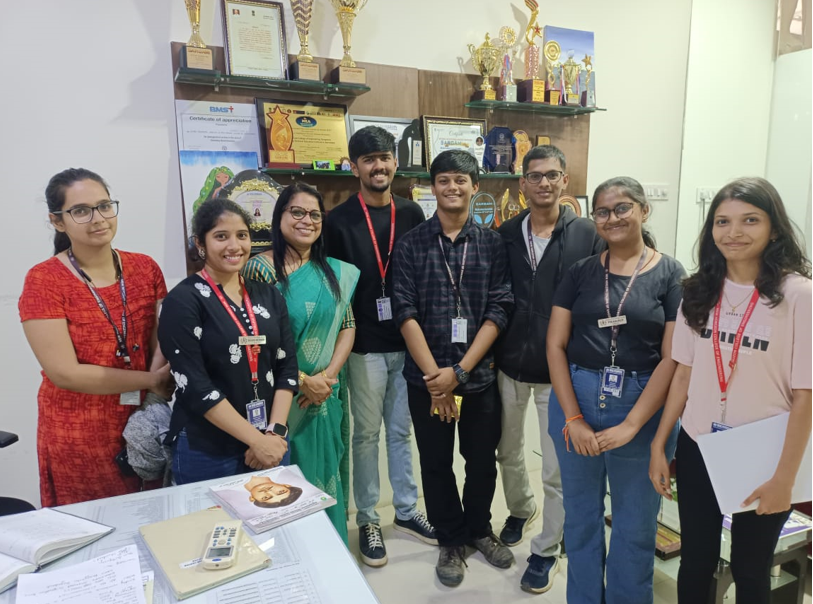
Although Dr. Anitha Ma’am could not a end due to prior commitments, she conveyed her warm wishes and appreciation to the team for their effort and professionalism. The event was graced by other dignitaries, who commended the club’s organization, creativity, and discipline. Overall, Campus Crisis 2025 turned out to be a massive success — showcasing teamwork, leadership, and intellectual engagement. It marked a proud moment for the Socio-Political Club, se ng a strong benchmark for future events.


15 October 2025
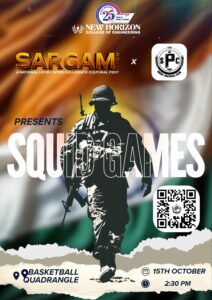
The Squid Game event for Sargam 2025 was conducted by the Socio-Political Club. All members gathered by 1:30 PM to begin arrangements and manage
the setup. Although the event faced interruptions due to rain and minor logistical challenges, the team handled the situation efficiently and ensured smooth coordination. After a short pause, the event resumed successfully and witnessed enthusiastic participation from around 85 participants, who thoroughly enjoyed the experience.
12th may 2025
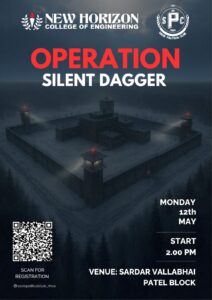
The Socio Political Club at New Horizon College of Engineering organized an innovative event titled “Operation Silent Dagger” on , 2025, designed as a narrative-driven digital escape room to immerse participants in a thrilling spy thriller scenario. Drawing inspiration from espionage tales, the event transformed a locally hosted website into a virtual environment where teams navigated branching storylines as captured spies attempting to escape enemy territory. Participants engaged in a series of challenging rounds, including deciphering encrypted messages, solving intricate puzzles, and unraveling riddles that tested their problem-solving skills, creativity, and quick thinking under time pressure. The setup encouraged collaborative teamwork, with each round building on the previous one to advance the plot, incorporating elements like hidden clues and interactive narratives to heighten the suspense. Approved by college authorities, the event required minimal resources such as certificates for winners, prizes for the top team, stationery for on-site notes, and an HDMI cable for screen projection, hosted in an MBA classroom or seminar hall equipped with a smart board to facilitate group participation.
The event proved to be an exhilarating experience for all involved, blending excitement with intellectual stimulation as teams raced against the clock to complete the escape. Participants reported feeling the adrenaline of a real spy mission, with the immersive storytelling and diverse challenges—ranging from code-breaking to logical deductions—fostering a sense of achievement and camaraderie. While some teams successfully “escaped” by solving all rounds within the allotted time, earning certificates and prizes, others faced setbacks that added to the event’s realistic tension, highlighting the importance of strategy and resilience. Overall, “Operation Silent Dagger” was a resounding success, receiving positive feedback for its engaging format and educational value in promoting critical thinking. As the club’s first such digital initiative, it set a high bar for future activities, with no transportation needs and seamless execution ensuring it was both accessible and memorable for the college community.
22 November 2024
Australian Casino Payment Systems: How Casinozoid Studies Withdrawal Speed
The Australian online gambling landscape has undergone significant transformation in recent years, particularly in the realm of payment processing and withdrawal systems. As digital transactions become increasingly sophisticated, understanding how payment mechanisms function within Australian casinos has become crucial for both operators and researchers. Casinozoid, a leading analytical platform, has developed comprehensive methodologies to evaluate withdrawal speeds across various casino platforms, providing valuable insights into the efficiency and reliability of different payment systems operating within Australia’s regulated gambling environment.
Evolution of Australian Casino Payment Infrastructure
Australia’s casino payment systems have evolved dramatically since the early days of online gambling, transitioning from basic credit card processing to sophisticated multi-layered financial ecosystems. The introduction of the Interactive Gambling Act in 2001 fundamentally reshaped how Australian casinos handle financial transactions, establishing strict regulatory frameworks that continue to influence payment processing today.
Traditional payment methods in Australian casinos initially relied heavily on credit cards and bank transfers, which often resulted in withdrawal processing times extending from three to seven business days. However, the emergence of digital wallets, cryptocurrency options, and instant banking solutions has revolutionized transaction speeds. Modern Australian casinos now integrate multiple payment gateways, including POLi, BPAY, and various e-wallet solutions, each offering distinct advantages in terms of processing speed and security protocols.
The regulatory environment has played a pivotal role in shaping these payment systems. The Australian Transaction Reports and Analysis Centre (AUSTRAC) requirements mandate comprehensive anti-money laundering procedures, which directly impact withdrawal processing times. These compliance measures, while essential for maintaining financial integrity, create additional verification steps that can influence the overall speed of fund transfers.
Casinozoid’s Analytical Framework for Withdrawal Assessment
Casinozoid has developed a sophisticated methodology for analyzing withdrawal speeds across Australian casino platforms, employing both quantitative metrics and qualitative assessments to provide comprehensive evaluations. Their research framework incorporates multiple variables, including payment method efficiency, verification procedures, banking partnerships, and regulatory compliance factors.
The platform’s analytical approach begins with systematic data collection across various casino operators, monitoring withdrawal requests from initiation through completion. Casinozoid tracks processing times for different payment methods, categorizing them by transaction size, user verification status, and time of submission. This comprehensive data collection enables researchers to identify patterns and trends that might otherwise remain unnoticed.
One particularly significant aspect of Casinozoid’s research involves examining how fast withdrawal casinos implement their payment processing systems compared to industry standards. Their studies reveal that casinos achieving optimal withdrawal speeds typically employ automated verification systems, maintain partnerships with multiple payment processors, and implement tiered processing protocols that prioritize smaller transactions for immediate processing.
The analytical framework also considers external factors affecting withdrawal speeds, including banking holidays, international transfer protocols, and currency conversion requirements. Casinozoid’s researchers have identified that casinos utilizing local Australian banking networks consistently demonstrate faster processing times compared to those relying primarily on international payment processors.
Payment Method Performance Analysis
Casinozoid’s extensive research has revealed significant variations in withdrawal speeds across different payment methods available to Australian casino users. E-wallet solutions, including PayPal, Skrill, and Neteller, consistently demonstrate the fastest processing times, with many transactions completing within 24 hours of approval. These digital payment platforms benefit from streamlined verification processes and direct integration with casino banking systems.
Bank transfers, while traditional and widely trusted, exhibit more variable processing times depending on the specific banking institutions involved. Casinozoid’s data indicates that transfers between major Australian banks typically process within two to three business days, while international transfers can extend to five to seven days. The research highlights how casino operators have begun partnering with fintech companies to accelerate traditional banking processes through innovative payment corridors.
Cryptocurrency payments represent an emerging category within Casinozoid’s analysis, demonstrating exceptional speed potential but with notable volatility in processing times. Bitcoin and Ethereum transactions can process within hours when network conditions are favorable, though blockchain congestion can occasionally extend processing times significantly. The research indicates that casinos implementing dedicated cryptocurrency processing infrastructure achieve more consistent withdrawal speeds compared to those using third-party crypto payment services.
Credit and debit card withdrawals present unique challenges within the Australian market, as many financial institutions maintain restrictive policies regarding gambling-related transactions. Casinozoid’s analysis reveals that card-based withdrawals often require alternative processing methods, typically converting to bank transfers, which can extend overall processing times to three to five business days.
Technological Innovations and Future Trends
Casinozoid’s ongoing research identifies several technological innovations that are reshaping withdrawal speed capabilities within Australian casino payment systems. Artificial intelligence and machine learning algorithms are increasingly being deployed to streamline verification processes, reducing manual review requirements that traditionally slowed withdrawal approvals.
The implementation of real-time payment systems, particularly Australia’s New Payments Platform (NPP), has created opportunities for instantaneous fund transfers between participating financial institutions. Casinozoid’s analysis suggests that casinos integrating NPP capabilities can achieve withdrawal processing times of less than 60 seconds for verified users, representing a significant advancement over traditional banking methods.
Blockchain technology beyond cryptocurrency applications is emerging as a potential game-changer for payment processing transparency and speed. Smart contracts could automate withdrawal approvals based on predetermined criteria, eliminating human intervention delays while maintaining compliance with regulatory requirements. Casinozoid’s forward-looking analysis suggests that blockchain-based payment systems could become standard within the next five years.
The research also highlights the growing importance of mobile payment integration, with solutions like Apple Pay and Google Pay gaining traction in the Australian market. These platforms combine the convenience of digital wallets with the security of biometric authentication, potentially offering both speed and enhanced security for casino transactions.
Casinozoid’s comprehensive analysis of Australian casino payment systems reveals a rapidly evolving landscape where technological innovation, regulatory compliance, and user expectations intersect to drive continuous improvements in withdrawal processing speeds. Their research demonstrates that the most successful casino operators are those that invest in diverse payment infrastructure, maintain strong banking partnerships, and prioritize user experience through efficient processing systems. As the Australian gambling market continues to mature, the insights provided by platforms like Casinozoid become increasingly valuable for understanding and optimizing payment system performance across the industry.


20 May 2024
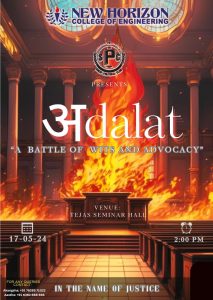
The event organized by our college socio-political club ‘Adalat’ showcased a series of engaging debates among 30 prominent public figures as characters.
The first round of the event, marked by engaging debates, offered participants the opportunity to present their arguments and defend their assigned characters against one another. With a diverse pool of prominent historical figures like Nehru, Mahatma Gandhi, Indira Gandhi, Julius Caesar, Chhatrapati Shivaji, and many more, the stage was set for intellectually stimulating discussions.
For instance, participants engaged in intense debates such as Gandhi vs. Godse, Shivaji vs. Aurangzeb, and Andrew Tate vs. Emma Watson. These matchups not only gave participants the chance to portray the conflicting ideologies of these characters but also allowed them to showcase their own debating skills.
The debates were meticulously organized, with each participant given ample time to present their arguments, counter the opponent’s points, and offer rebuttals. The judges assessed the participants’ research skills, logical reasoning, and eloquence in defending their characters’ views. These debates created a charged atmosphere and captivated the audience, providing a platform for intellectual growth and expression.
The second round of the event involved an individual trial, where the defending skills and research of the participants were put to the test. In this round, the panel of judges questioned each participant on the actions and decisions undertaken by their assigned character. A comprehensive understanding of the character’s background and the historical context was necessary to navigate through these questions.
For example, participant portraying Lal Bahadur Shastri was asked about his soft war policies and socialist economic approach during his tenure as Prime Minister. Similarly, participant portraying Chhatrapati Shivaji was questioned about his strategies during battles and his contributions to the Maratha Empire. These insightful questions not only evaluated the participants’ knowledge but also challenged them to defend their characters’ actions convincingly.
Winners of the event


12 April 2024
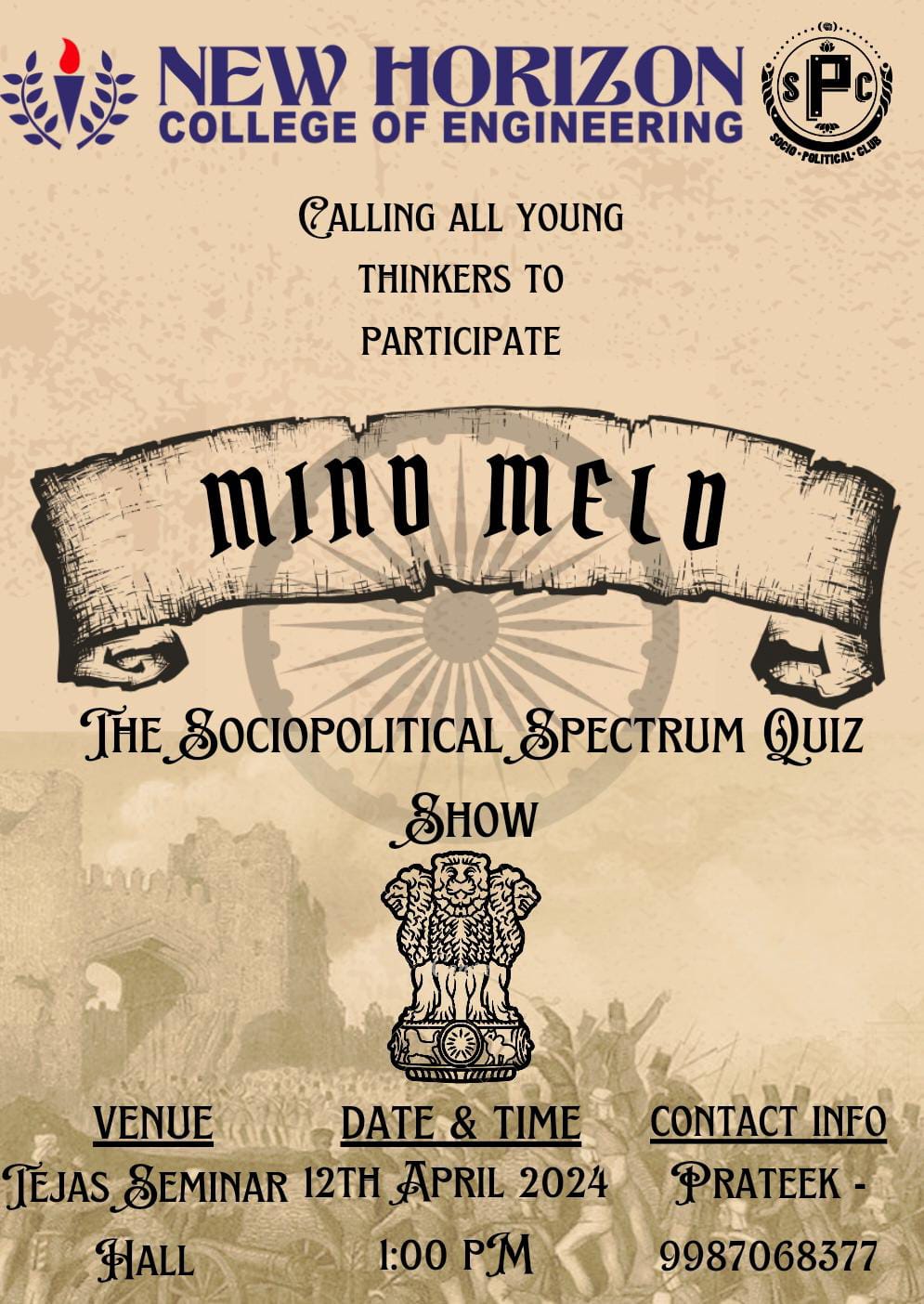
MINDMELD - THE SOCIOPOLITICAL SPECTRUM QUIZ SHOW
On April 12th, the Socio-Political Club of New Horizon College of Engineering hosted a quiz competition named “Mind-Meld,” which centered on Indian history, constitution, and politics. The event was conducted via video conference and attracted 67 participants, showcasing their expertise and understanding of these critical subjects. The competition was structured into three rounds, each presenting escalating levels of difficulty in the questions posed. This format aimed not only to test the participants’ knowledge but also to enhance their awareness and comprehension of India’s socio-political fabric. As a result, three winners emerged from this intellectually stimulating and educational event, contributing to the enrichment of the college’s academic and cultural landscape.
Quick Glance of the event


“Mind-Meld,” a quiz competition organized by the Socio-Political Club of New Horizon College of Engineering. The event’s success can be attributed to the meticulous planning and execution carried out by the club members. “Mind-Meld” effectively cultivated a culture of intellectual engagement, critical thinking, and excellence in communication among the 67 participants. It offered a platform for individuals interested in Indian history, constitution, and politics to showcase their knowledge and learn from their peers. The event not only demonstrated the dedication of the organizing club but also showcased the enthusiasm and intellectual curiosity of the participants. “Mind-Meld” served as a valuable avenue for honing quiz skills and fostering intellectual discussions
DEBATE DERBY
20 September 2023


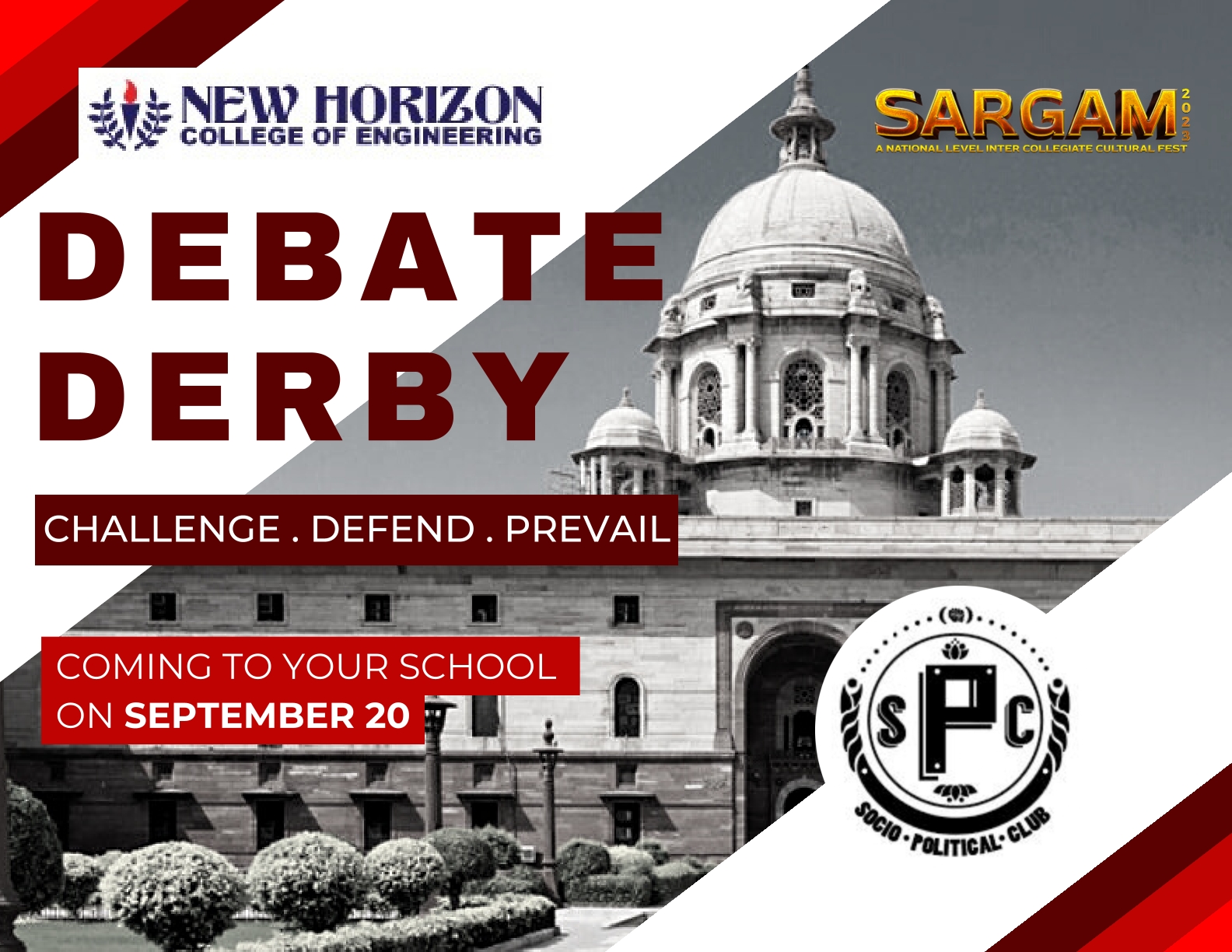
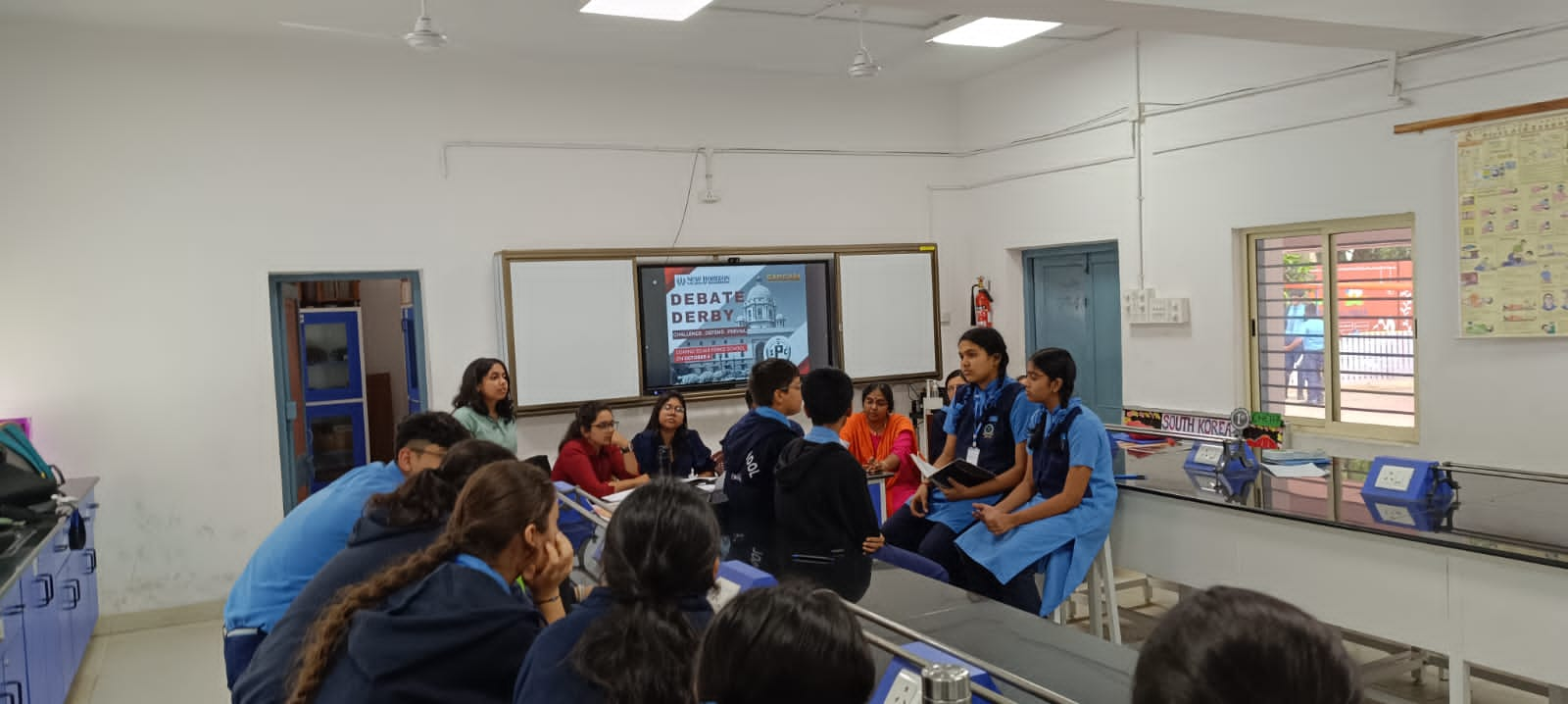
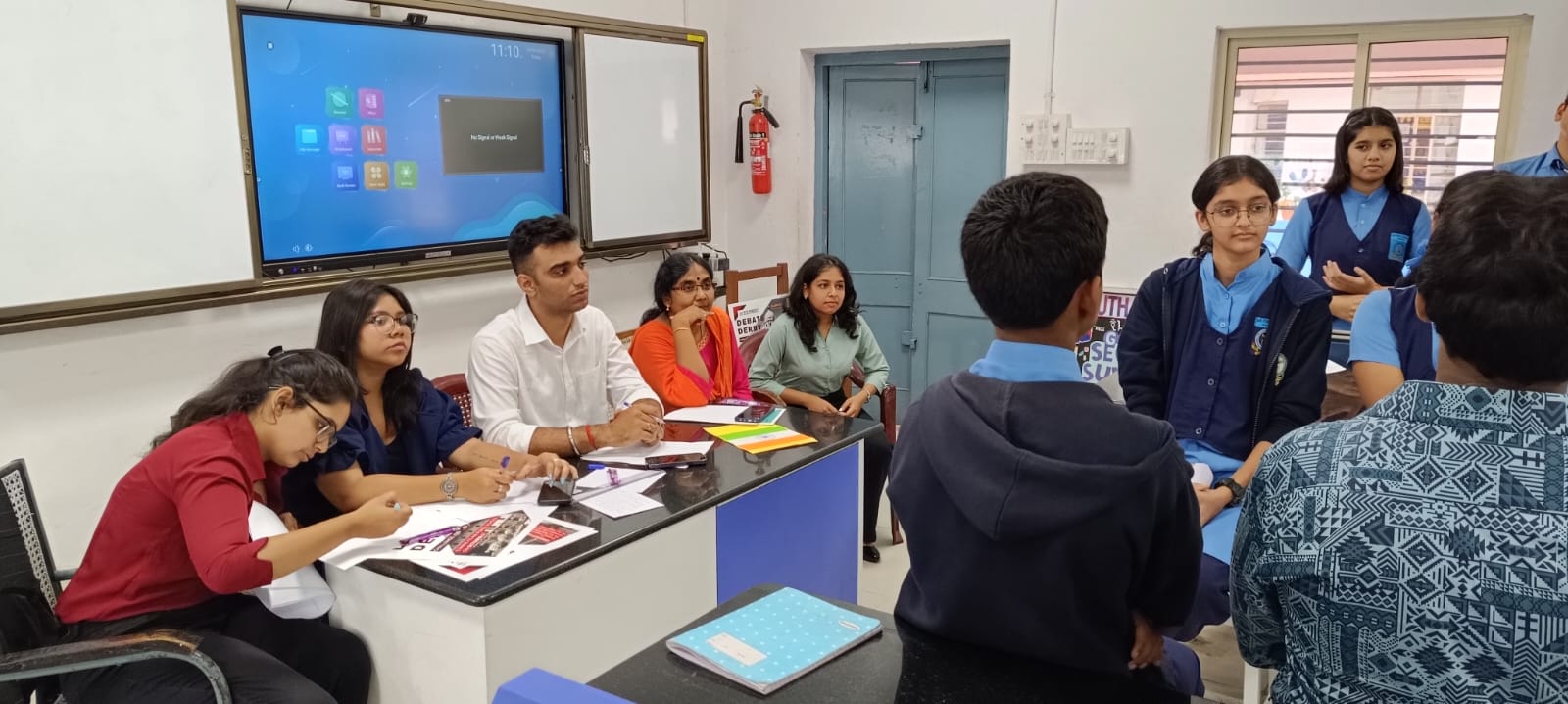
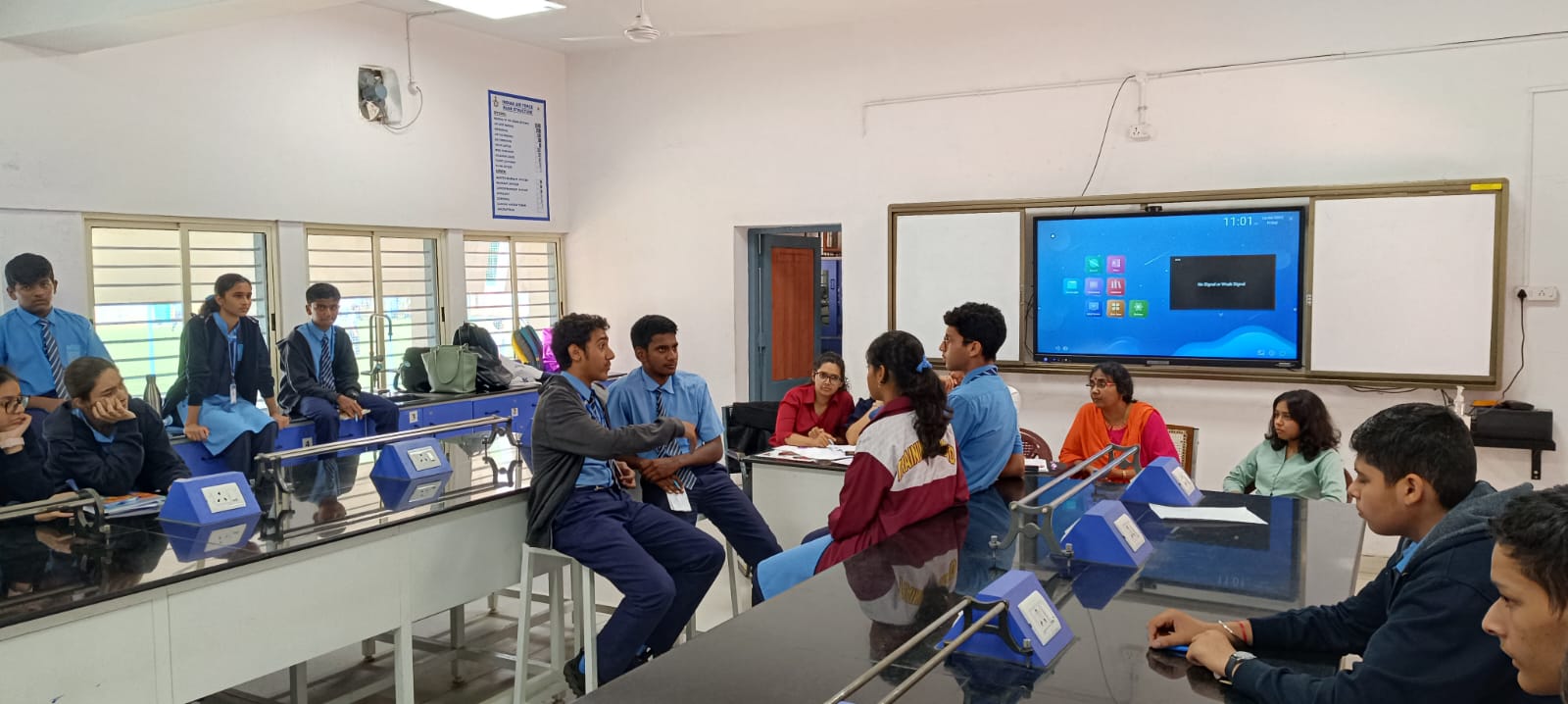
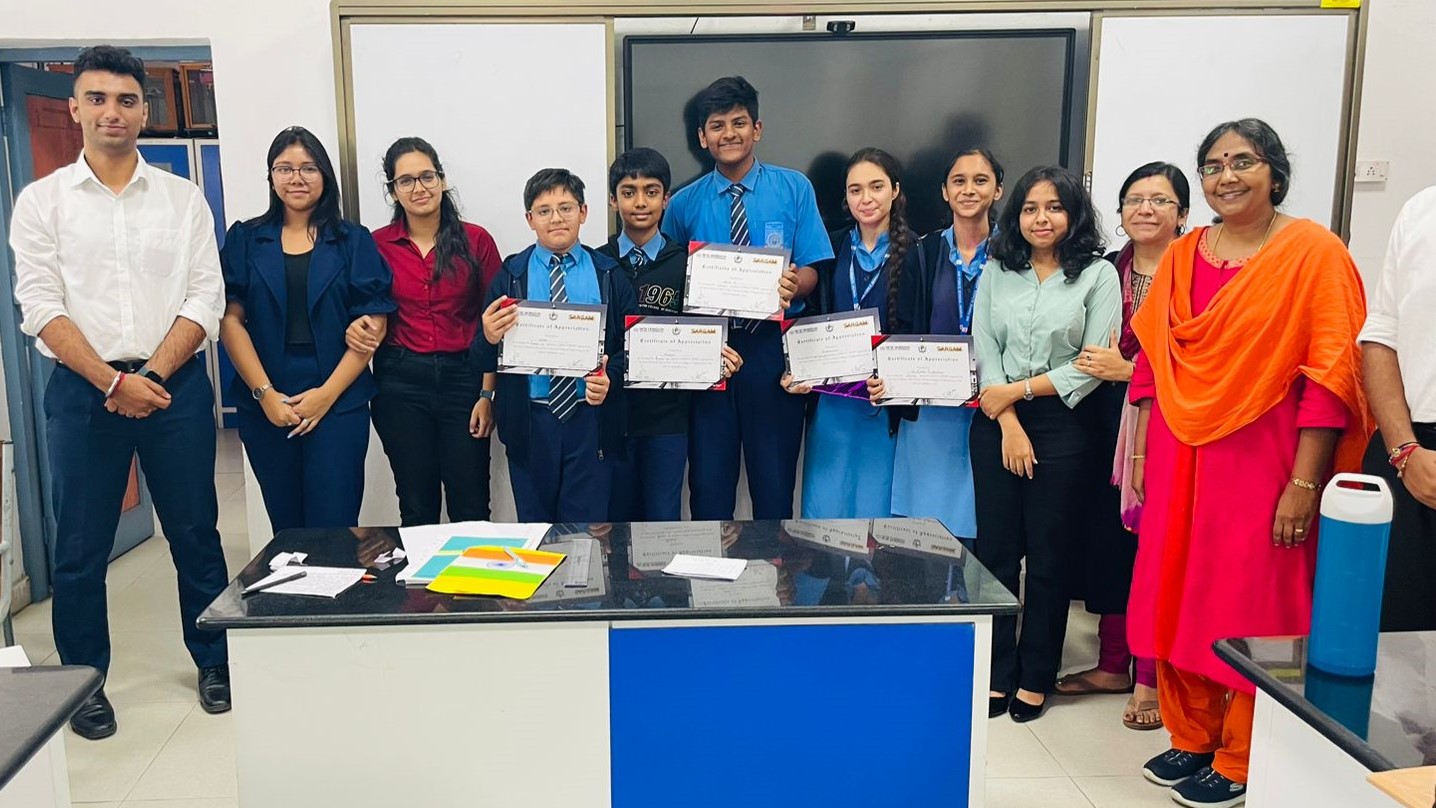
The Socio-Political Club of New Horizon College of Engineering organized a captivating debate competition named “Debate Derby”. The event took place at Air Force School, Hebbal, Bengaluru, on October 6th, 2023. This competition aimed to promote healthy discourse, critical thinking, and effective communication skills among the participants. The event garnered substantial participation, with approximately 24 teams of 2 students each, discourse competing passionately. “Debate Derby” was structured into three rounds, each designed to test different aspects of the participants’ debating skills. The first round featured all the registered teams. A total of 24 teams successfully made it through this round based on their performance. The topics for this round were diverse and thought-provoking. The second round intensified competition as the judges carefully evaluated the remaining 10 teams. Their task was to shortlist two teams that demonstrated exceptional debating skills and the ability to construct well-reasoned arguments. Additionally, the judges awarded the title of “Best Interceptor” to the participant who displayed remarkable counter-argumentation skills. The third and final round featured the two top-performing teams selected from the second round. These teams faced off in a thrilling debate showdown, discussing a topic of paramount societal relevance. The intensity and quality of arguments in this round made it a riveting spectacle for both participants and the audience.
Quick Glance of the event


“Debate Derby” emerged as a highlight of Sargam, the college fest, thanks to the meticulous planning and execution by the Socio Political Club of New Horizon College of Engineering. The event successfully fostered a spirit of intellectual engagement, critical thinking, and communication excellence among the participants. It provided an opportunity for aspiring debaters to showcase their talents and learn from their peers. The event was not only a testament to the dedication of the organizing club members but also to the enthusiasm and intellectual fervor of the participants. “Debate Derby” proved to be a valuable platform for nurturing debating skills and promoting intellectual discourse, making it a memorable and meaningful part of the Promotion Drive of Sargam23. Link to Photographs and Videos taken during the event
PARLIAMENTARY DEBATE
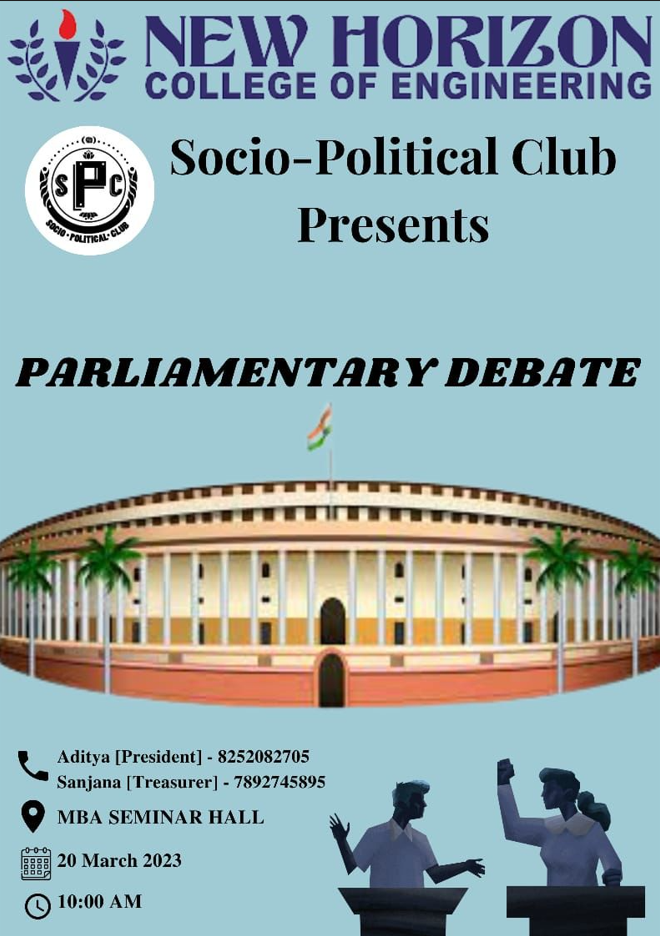
20th March 2023
Introduction
Parliamentary debate is a type of debate in which people argue in a formal setting for or against a certain proposition or motion. The structure normally involves two or three individuals each, with one team arguing for and the other opposing the idea.
The debate is set up in such a way that each team has an equal opportunity to state their points and explain their position. Each member is given a set amount of time to present his/her views and refute their opponents before handing over the floor to the other.
In parliamentary debate, members are not required to argue in favour of or against a specific issue, but rather to present a persuasive argument given their allotted position. This encourages debaters to be well-informed on a wide range of issues, as well as to sharpen their skills in critically analysing arguments and formulating good rebuttals.
Ultimately, the goal of parliamentary debate is to cultivate critical thinking abilities, public speaking abilities, and the ability to listen.
Breakdown of Task (20/03/2023)
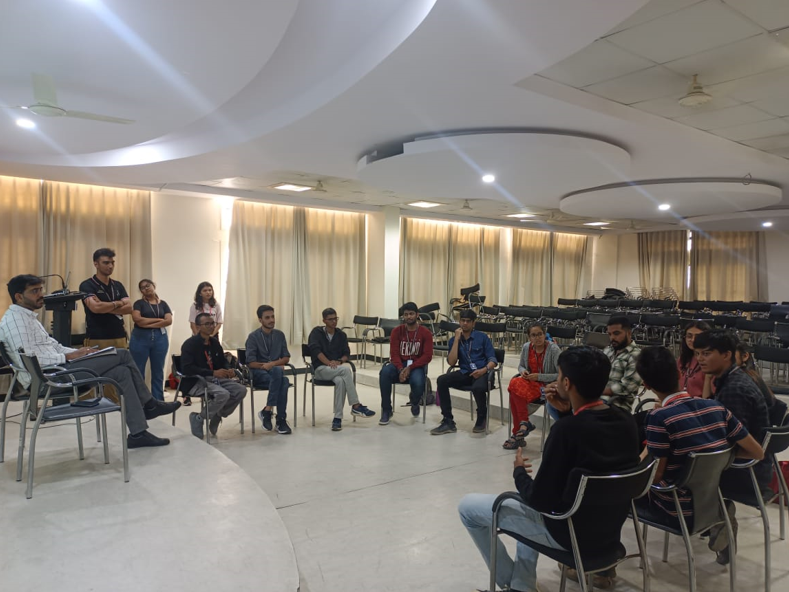
Event started at 10 AM gathering all the participants at MBA seminar gathering all the participants. A set of topics were given one day before the event.
The event was judged by Shabrinath Sir.
The event had three rounds in total. Before each round the judge would choose one topic from the given set of topics and participants got 5 minutes to prepare their arguments.
Round 1 had 12 participants. Based on their performances 6 participants were chosen for second round. In the second round the participants debated against in the group of three and the best two participants were chosen for finals.
Glance of the Event
WAR OF RHETORICANS
28th December 2022
WAR OF RHETORICANS- A competition in which rhetorician, a person who is good at public speaking brings out his/ her inner speaker to persuade people to vote for him as their leader in elections. It emphasizes Invention, arrangement, style, memory, and delivery of the speech. It should demonstrate how well he has planned, can adapt to audience, be responsive to situation, persuasion seeking, shaped by human motives, concerned with contingent issue.
Event started at 2.00 PM at MBA seminar hall. Total number of participants who took part in this event was 13. Each participant was given a time limit of 5 to 7 minutes to persuade the audience to vote for him /her. It turned out to be an interesting event as other contestants were allowed to question the speaker on dais and he had to answer them with an example. Rules were simple: solo participation, the participant has to follow the given time limit, no use of foul language, no impersonation allowed.
Considering the above mentioned rules two participants who followed the criteria and spoke accordingly were selected as winners.
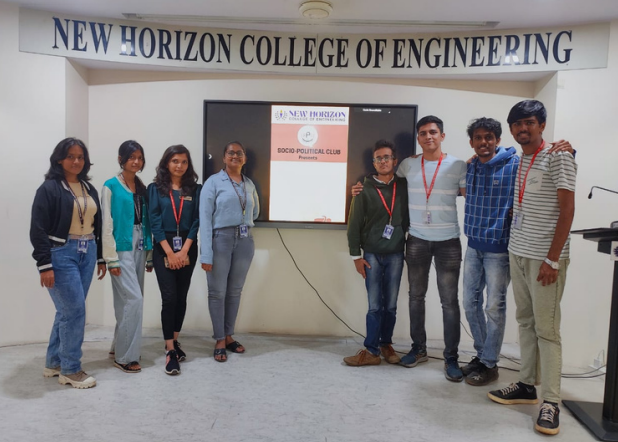
15th November 2022
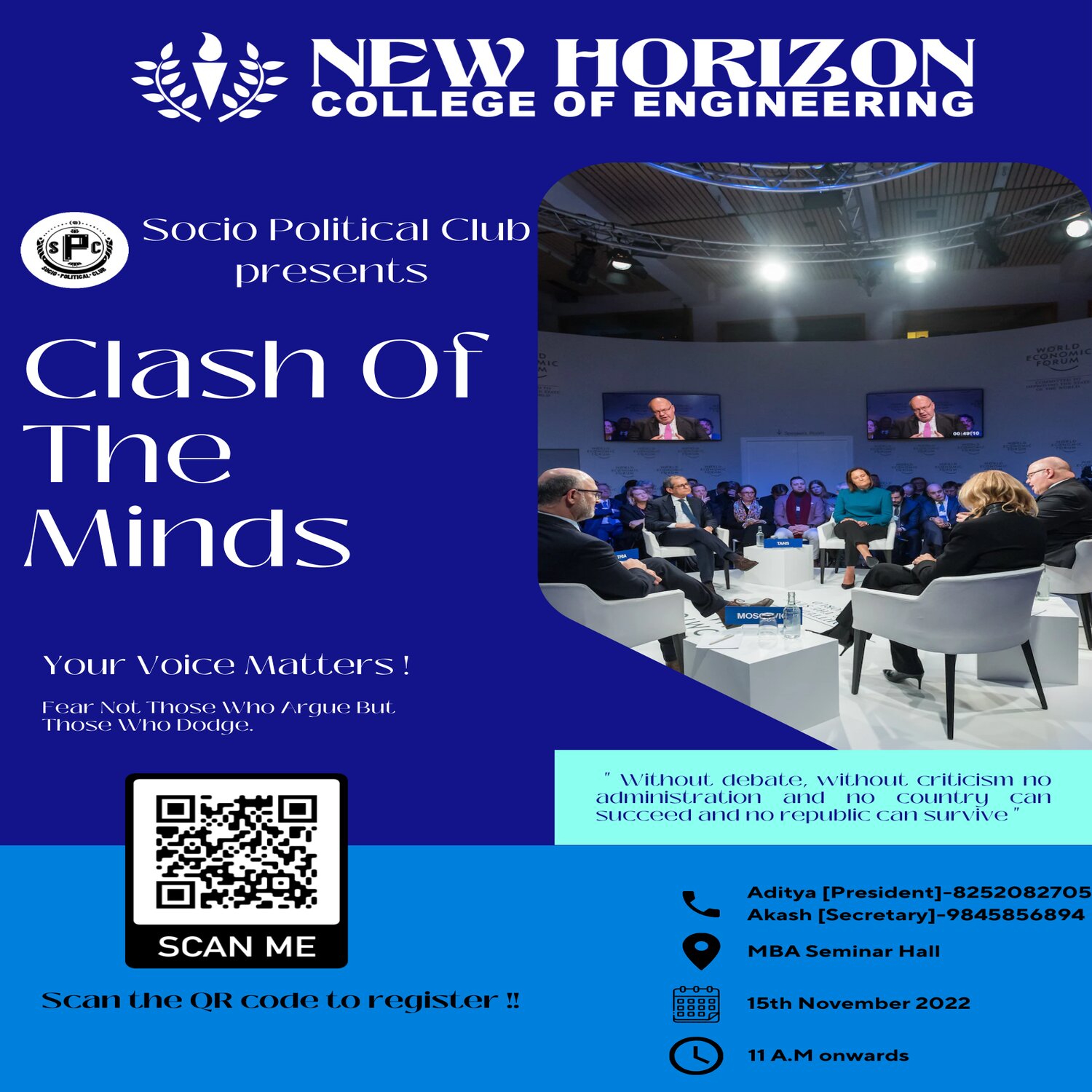
A debate is a procedure that entails formal dialogue about a certain issue, frequently
with the participation of a moderator and an audience. Arguments are presented during
a debate for frequently divergent points of view. In the past, debates have taken place
in public gatherings, educational settings, debating rooms, coffee shops, competitions,
and legislative assemblies. In addition to its traditional associations with academic
institutions and debating groups, debate has also been used for recreational and
instructional purposes.
Rules permitting participants to discuss and choose the debate’s structure are also
included in modern forms of competitive debate (how the debate will be judged).
Event started at 11 am gathering all participants at MBA seminar hall. The topics were
given on the spot and each group was given 15 minutes for preparation.
To make this event more interesting it also included Turncoat, where each team had to
debate on the grounds of both – for and against the topic.
Rules were simple where the group which wins the toss would choose to talk for or
against the topic for first 2 minutes and turncoat would follow up for next 2 minutes.
These rules included formal english speaking, no personal attack, weightage of the
points that the team is making and participants not deviating from the topic.
There were total 11 rounds in which 2 were semi-finals and 1 was the final round.
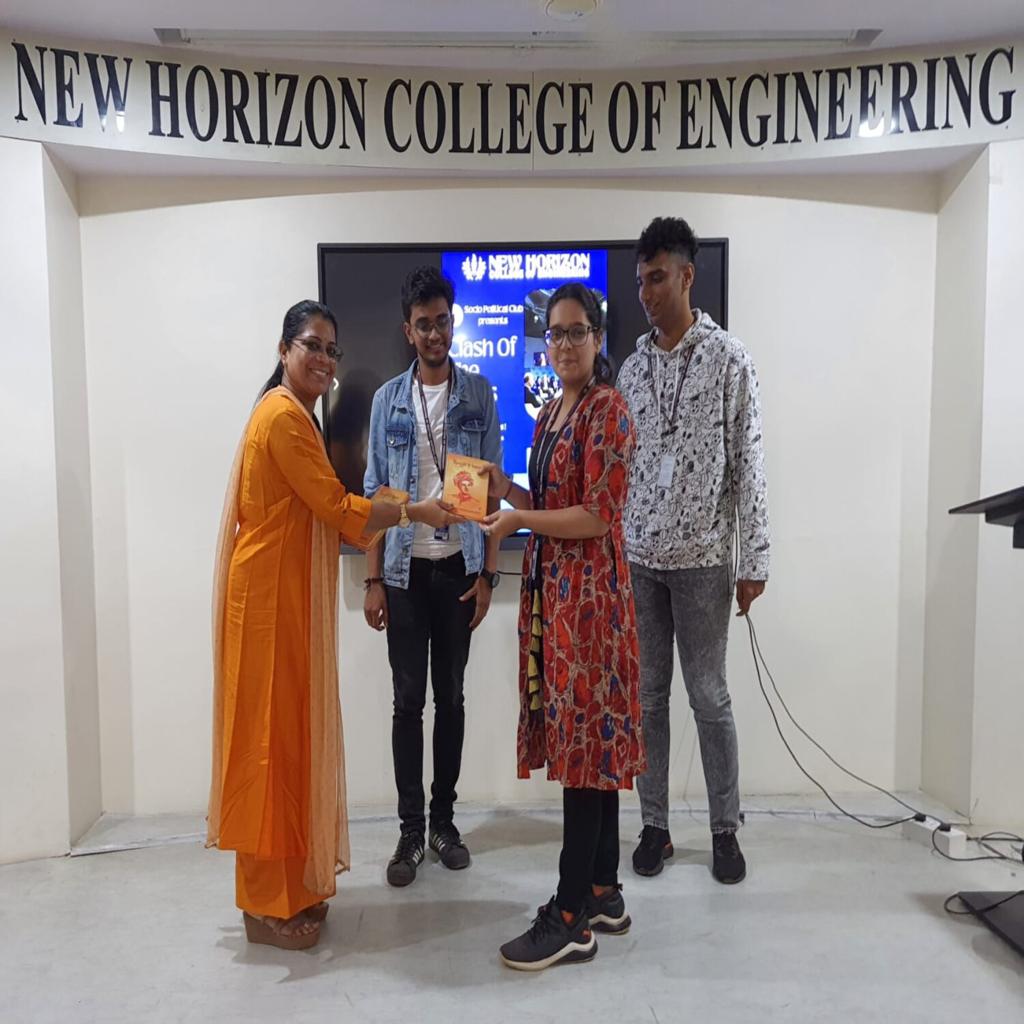
CHAI PE CHARCHA
22nd December 2021
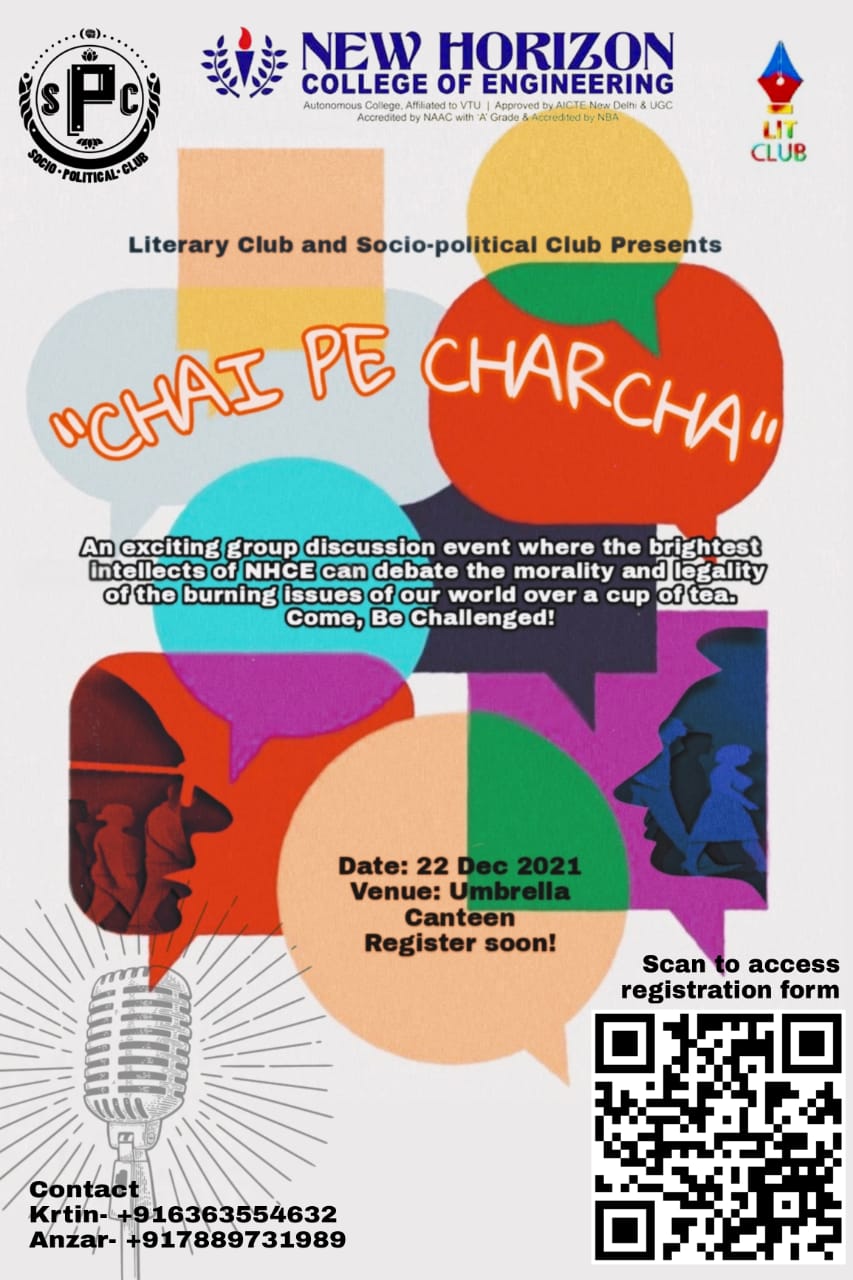
Charcha or discussion is important to hearing in all disciplines because it helps students process information rather than simply receive it.
So, keeping this point in mind, we the members of Socio political club in collaboration with LIT club conducted an event called “CHAI PE CHARCHA“.
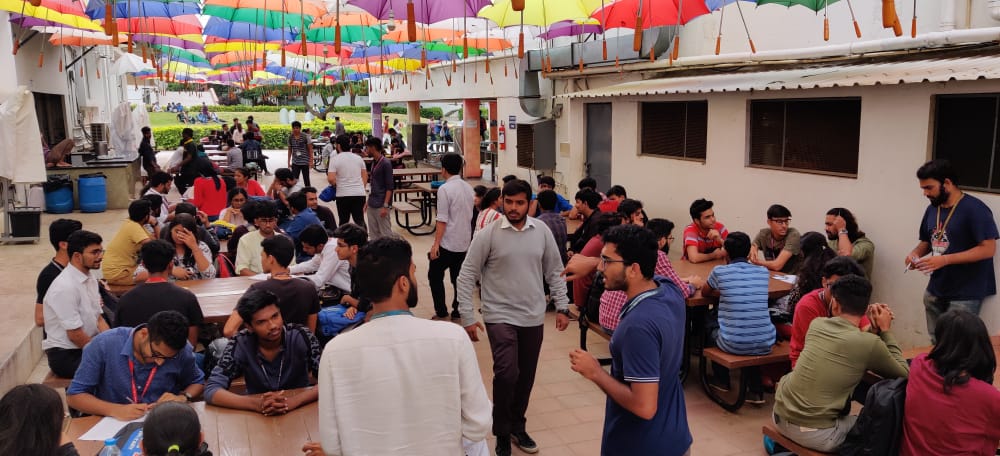
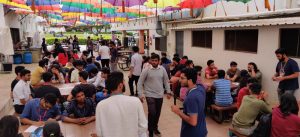
This event is basically a group discussion over a cup of tea. There was a massive response from students with over 80+ registration. It was conducted in our college’s Umbrella Cafeteria on 22nd of December at 3PM. The participants were randomly made to sit in a table in order to make a group of 5-6 person per discussion. Each table was provided with a moderator who judge the speaker based on knowledge, communication and critical thinking. They were given a topic provided with a time limit of 5 minutes to gather points and the next 15 minutes for group discussion.
Totally there was 3 rounds in order to choose the 3 best speaker. The topics for speaking also ranged from general to socio-political & then controversial. The first round was elimination round where only 3 were choosen for 2nd round. So, from each table the chosen 3 members moved to 2nd round.
In the selection round i.e., 2nd round , 2 best rhetorician were chosen from each table. In the final round we had totally 10 best speakers. They were given a controversial topic which was pretty well welcomed by them. Also they were judged by 3 moderators and out of 10, top 3 winners were selected and they were “1 – Aastha Singh, 2 – Arnab Basu , 3 – Anushka”. The whole event was fun filled & interactive programme.
In conclusion, a great success was grabbed by this event, where students got an experience of a GD and how it works during placement time and also a great time for club members interacting with LIT club members and knowing more about their club
COMMUNAL HARMONY CAMPAIGN WEEK
19-25th November 2021
SLIDE SHARE(PPT:-In shaping the future of children)
Conducted by: SOCIO-POLITICAL CLUB
Date:19th Nov ,2021
Time:9:00am to 1:00pm
Venue: Library video conference room
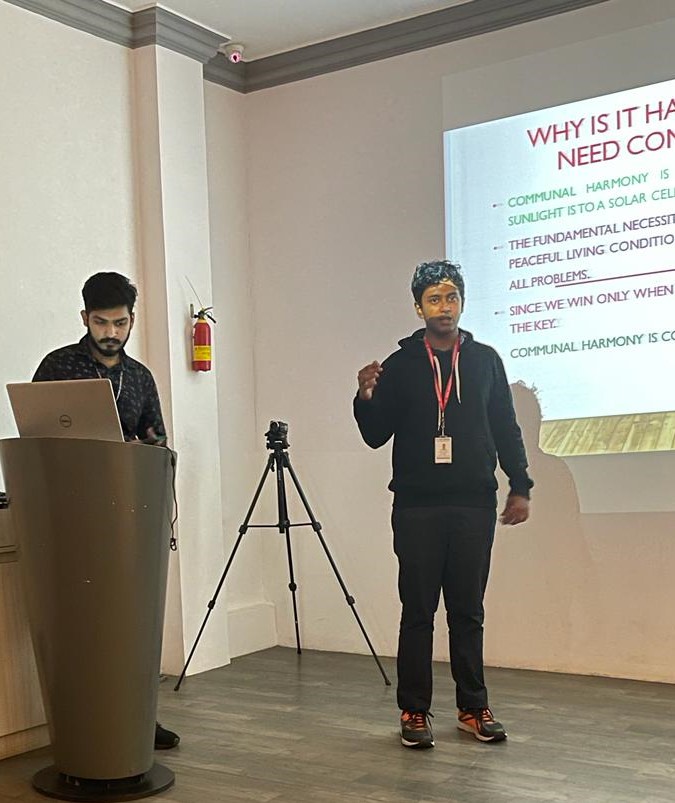
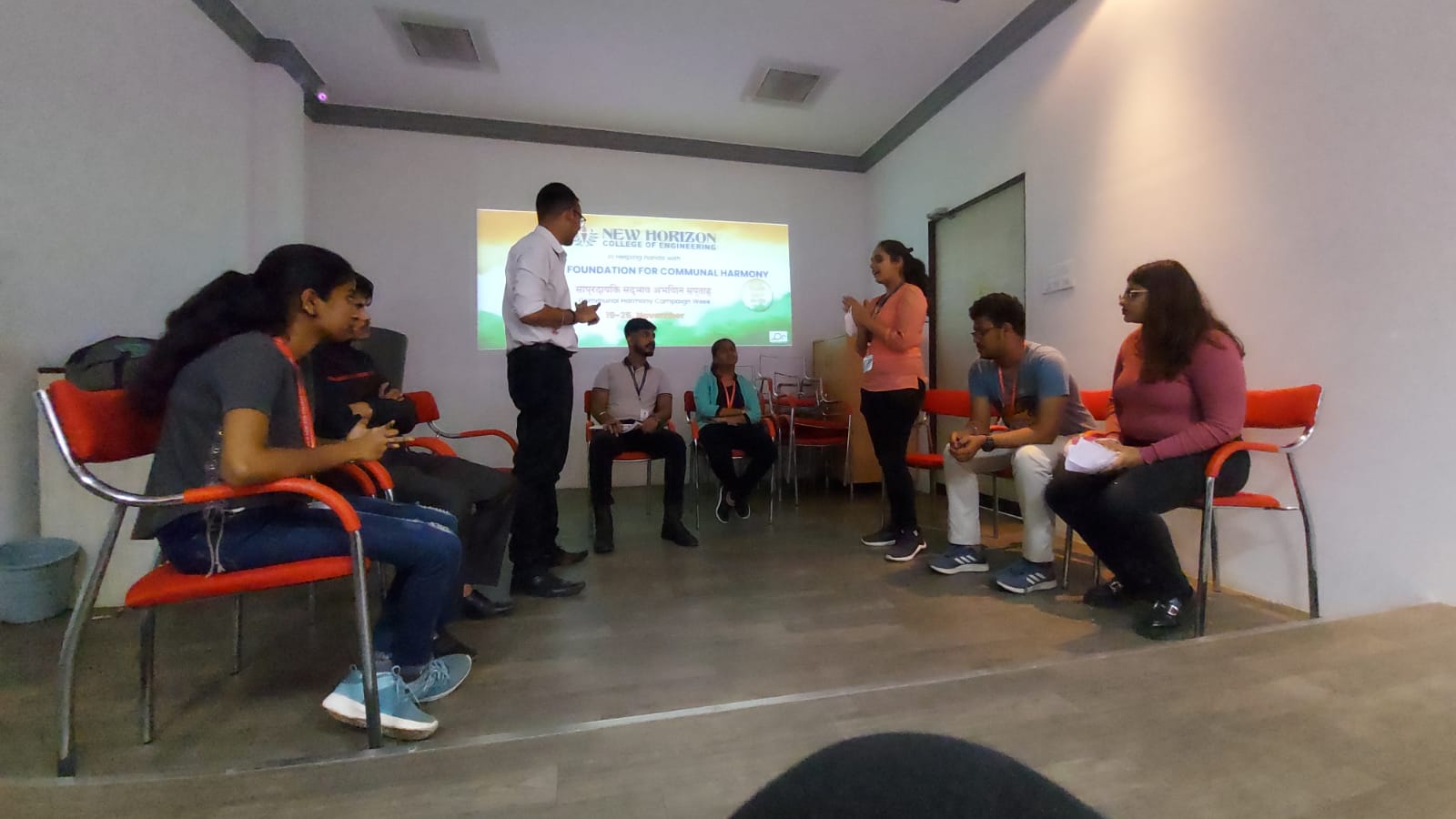
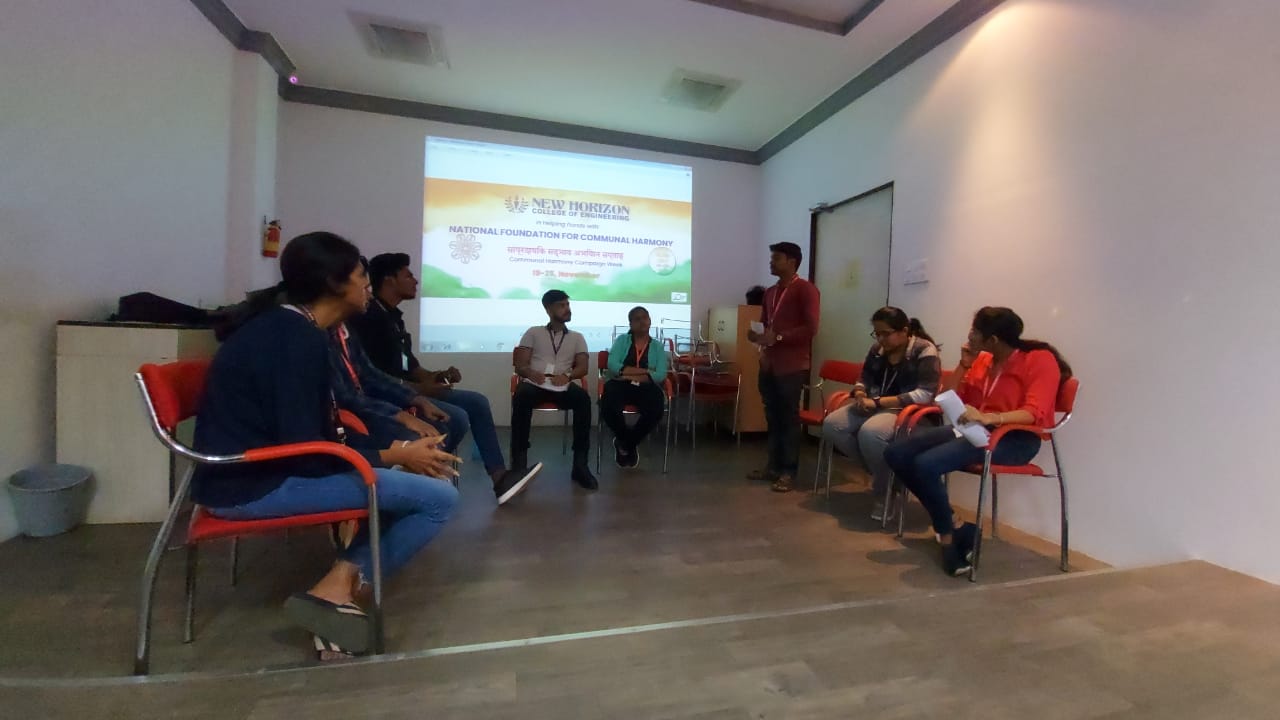
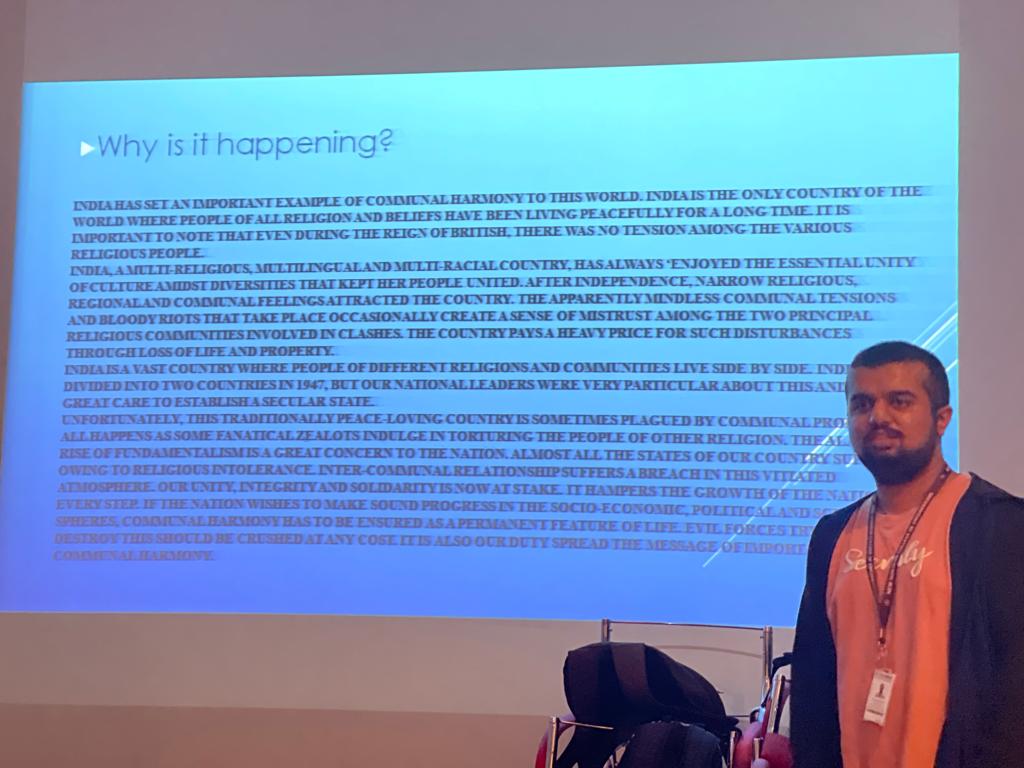
Power Point Presentation is one of the ways to express one’s own thoughts and encatch the audience attention using visual effects. “ slide-share” event was organized by the members of Socio-political club on the topic “Communal Harmony ( in shaping the future of children). Ms. ANITHA head of extracurricular clubs, initiated the program and encouraged all the participants. The event was all about making a PPT on the given topic and explaining about the problems faced and what are the possible solutions. There was pretty good response from students of different branches. The participants spoke about the importance of communal harmony and its need for the society. They also briefed about the consequences of communal violence and how can the society and government be aidful.
The main aim of the event was to spread the awareness about communal harmony and how it shapes the future of young minds who were abused.
So, the event was successfully completed and the purpose was fulfilled by participants presentation. The winner of the event was Advaith Madhavan .
LET’S DEBATE
Topic: UNIFORM CIVIL CODE / REFORM IN RESERVATION SYSTEM NEED OF THE HOUR
Conducted by: SOCIO-POLITICAL CLUB
Date:25th Nov ,2021
Time:2:00pm to 4:00pm
Venue: Library video conference room
After the successful completion of slide- share event ,we the club members wanted the point of view or the opinion of what the students think is right for the society. So to get students opinion we the members of SP club found debate to be the right platform to share their thoughts.
We ended our communal harmony campaign week on 25th of November with “LETS DEBATE” event where debate was on 2 major topics
1. UNIFORM CIVIL CODE
2. REFORM IN RESERVATION SYSTEM,NEED OF THE HOUR
There was an active an enthusiastic participation from the students of our college with the best wishes of Dean of academics and alumni MRS.ANITHA The event began.
The event was hosted by ADITYA and SANJANA (club members).
The general rule was to pick a chit and to speak either FOR or AGAINST depending on the chosen chits.
So the participants were segregated based on this method for both the topics and they were given an ample amount of time to prepare their points the 1st round was on uniform civil code and the 2nd round was on reform and reservation system the main objective of taking these topics was to know what kind of impact does these reforms has on society as a whole each participant came out with different perspective and pros & cons of implementing these changes in constitution. Some of them got few valid examples which happened in the past to with stand their points. There was a good heat of arguments in the debate.
Overall their was a complete active responses from each and everyone at the end of the event we got 2 best people and 2 best defenders.
The best speaker in the UCC was AASTHA SINGH and best defender was VINAYAK BAJPAYEE.
Coming to the reform in reservation system, the best speaker was SPUTI MATHAPATI & best defender was BHAVISHYA taking into consideration of all the advantages and disadvantages, we came to a conclusion that the best change has to be brought about which helps the majority and brings peace within the society. Hence the event had a great success and also helped in spreading some awareness about socio political changes happening in and around the globe.
CHAI PE CHARCHA
Conducted by : Socio-political Club, Lit Club and Media Club
Date: 28th August ,2019
Time : 3pm
Venue : Umbrella Street
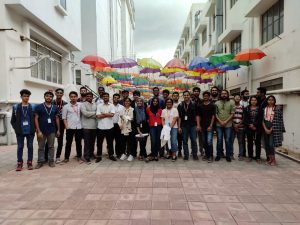
The simple idea of having a discussion with friends over a cup of tea, i.e, Chai Pe Charcha ,turned out to be very welcomed students .
Over 70 registrations were recorded for the event which commenced from 3pm on the 28th of August , at our very own umbrella street.
The eager participants were divided into groups of 7-8 members each and were given a topic to discuss. The topics ranged from abstract, socio-political to controversial. Every table had been assigned a moderator for selecting the students who’d move to the next round , judging on their conduct, content, communication and critical thinking.By virtue of elimination, six students were chosen for a fourth and final round of discussion, at the end of which a winner and two runner-ups were decided by a panel of judges(the mediators).
In conclusion, the entirety of the group discussion was a well received event, pulled off smoothly by the combined efforts of the Lit Club , Socio-political Club and Media Club.
NHMUN 2019
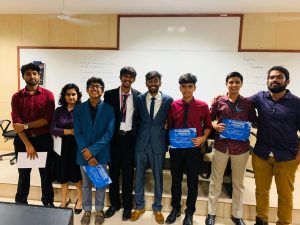
Conducted by : Lit Club , Socio-political Club and Media Club
Date: 25th -26th October ,2019
Time : 10 a.m -4 :50 pm
Venue : MBA Seminar halls (Room no. 305 and 306)
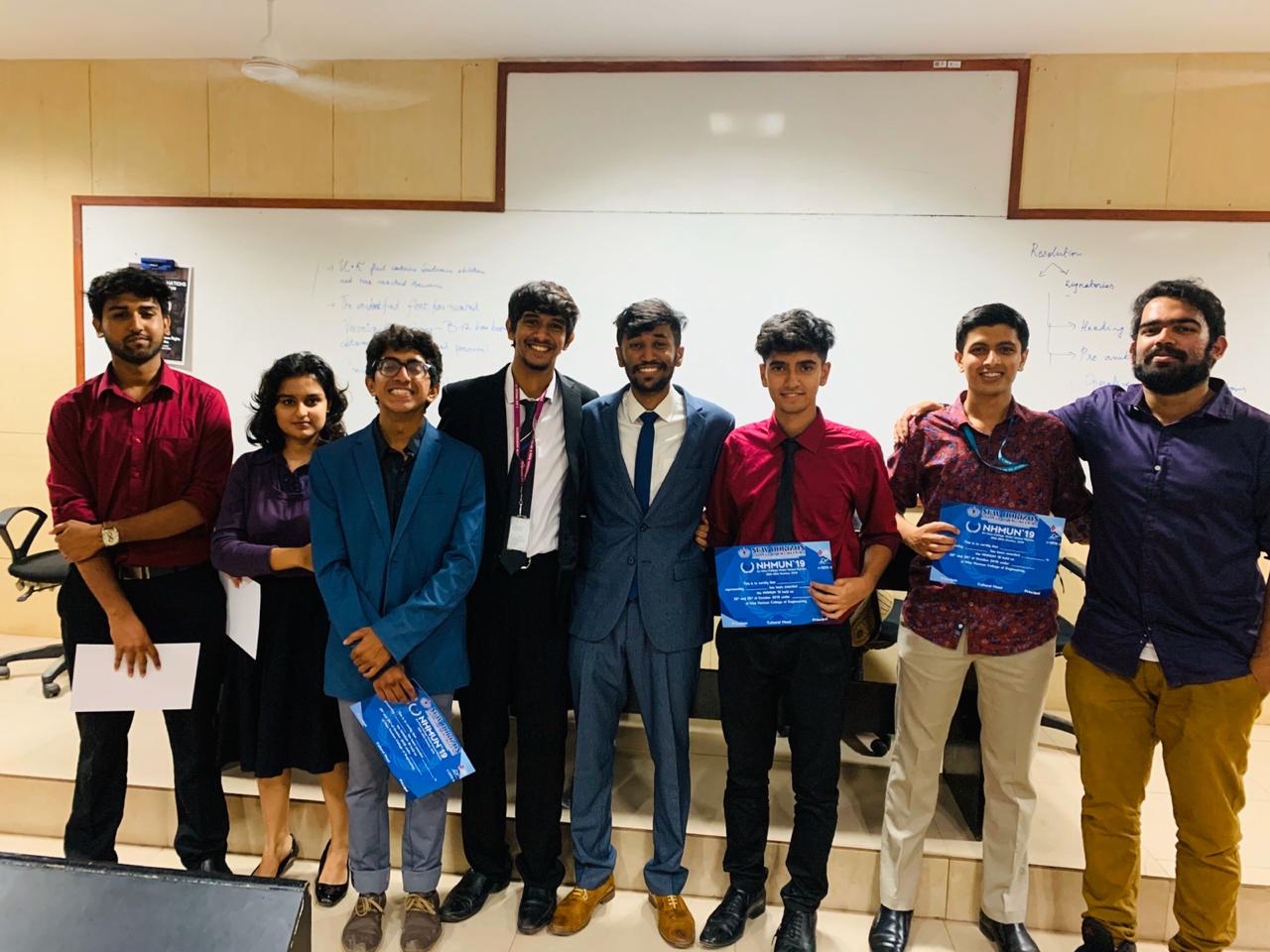
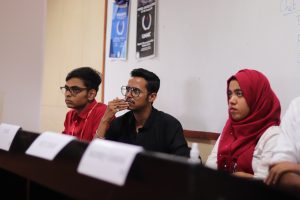
Keeping in mind the importance of giving a platform for resolving impressionable issues through the voices of youth , this intra- college public speaking event was organized with great tenacity with over 50 delegates participating .Two committees were set up , namely the Human Rights Council and the Office for Drugs and Crime. The former worked on the agenda of ‘Human Rights Violation in Africa’ while the latter dealt with ‘the Evolving Role of Narco Terrorism’. All the participants showed unparalleled vigour from beginning to end, making the discussion on the allotted agendas very lively.
Through a two day deliberating platform, various solutions, rebuttals and a stimulation crisis situation brought forth the innovative thinking of the students and their ability to think on their feet. The event was brought to a close after resolution papers from both committees was put forth and the winners were awarded best delegate, honorable delegate and special mentions.